Friday, November 20, 2009

ಜೀವಿಗಳಲ್ಲಿ ರೋಗನಿರೋಧಕ ಗುಣ (Immunity in Life forms)

ಸ್ನೇಹಿತರೇ, ಈ ನನ್ನ ಬ್ಲಾಗ್ ಪೋಸ್ಟಿನಲ್ಲಿ ಜೀವಿಗಳ ರೋಗನಿರೋಧಕ ಗುಣ (Immunity) ಬಗ್ಗೆ ಸರಣಿಯನ್ನು ಪ್ರಾರಂಭಿಸುತ್ತಿದ್ದೇನೆ. ದಯವಿಟ್ಟು ನಿಮಗೆ ತಿಳಿದ ಸ್ನೇಹಿತರಿಗೆ ವಿದ್ಯಾರ್ಥಿಗಳಿಗೆ ಈ ತಾಣದ ಬಗ್ಗೆ ಮಾಹಿತಿ ಕೊಡಿ..ತಿಳುವಳಿಕೆ ಕನ್ನಡದ ಮೂಲಕ ಹರಡಲು ಸಹಾಯಕರಾಗಿ.

೧. ಸ್ವಪರಿಚಿತ (innate) ರೋಗನಿರೋಧಕತೆ (immunity)

ನಾನು ಪ್ರಾಣಿಗಳ ರೋಗನಿರೋಧಕ ಗುಣದ ಈ ಮೊದಲ ವಿಶೇಷತೆಯ ಬಗ್ಗೆ ಈ ಕಂತಿನಲ್ಲಿ ತಿಳಿಸಲಿಚ್ಛಿಸುತ್ತೇನೆ. ನನ್ನ ಈ ಲೇಖನಕ್ಕೆ ಒಂದು ಚಾಲಿತ ಚಿತ್ರಮಾಲಿಕೆ(animated clip) ನಿಮ್ಮಲ್ಲಿಗೆ ವಿಷಯವನ್ನು ತರಲು ಸಹಾಯಕವಾಗಬಹುದು.
ರೋಗನಿರೋಧಕ (ರೋನಿ) ಗುಣಗಳು ಎರಡು ಪ್ರಮುಖ ವಾಹಿನಿ (ಇವು ಒಂದಕ್ಕೊಂದು ಪೂರಕ ಮತ್ತು ಸಹಾಯಕ ಕೂಡ ಆಗಿರುತ್ತವೆ) ಗಳಿಂದ ಕೂಡಿವೆ ಎಂದು ಗುರುತಿಸಲ್ಪಟ್ಟಿವೆ. ಇವಕ್ಕೆ ಸ್ವಪರಿಚಿತ (ತಮಗೇ ತಿಳಿದ) ಮತ್ತು ಪರಿಚಯಾನಂತರದ (ಉದ್ಭವವಾಗುವ) ರೋಗ ನಿರೋಧಕ ಗುಣಗಳು ಎನ್ನಲಾಗಿದೆ ಇವನ್ನೇ Innate ಮತ್ತು Acquired Immunity ಎಂದು ಹೇಳಲಾಗುವುದು.
ಮೊದಲಿಗೆ ಜೀವಿಯ ಜೀವಕೋಶಕ್ಕೆ ಪರಿಚಯವಾಗುವ ಬಾಹ್ಯಾಂಶ (ಅಥವಾ ಬಾಹ್ಯವಸ್ತು ಅಥವಾ ಜೀವಿಯ ಅಂಶ ಎಂದರೂ ತಪ್ಪಿಲ್ಲ, antigen)ದ ಕೆಲವು ತತ್ವಗಳು (ಬಾಹ್ಯತತ್ವ ಅಥವಾ ಬಾಹ್ಯಾಂಶದ ಸಣ್ಣ ಸಣ್ಣ ಕಣಗಳು– epitopes) ಜೀವಿಯ ರೋಗನಿರೋಧಕ ಗುಣವನ್ನು ಎಚ್ಚರಿಸುವ ಕೆಲಸ ಮಾಡುತ್ತವೆ. ಆಗ ಜೀವಿಯ ಮೊದಲ ಶ್ರೇಣಿಯ ರೋಗನಿರೋಧಕಗಳನ್ನು ಎಚ್ಚರಿಸುವ ಕ್ರಿಯೆ ಪ್ರಾರಂಭವಾಗುತ್ತದೆ. ಈ ಮೊದಲ ಶ್ರೇಣಿಯ ರೋ.ನಿ. ಗಳು ಚರ್ಮ, ಬೆವರು, ಲಾಲಾ ಅಥವಾ ಜೊಲ್ಲು, ಲೋಳೆ (ಕಿವಿ ಮೂಗಿನಲ್ಲಿ ಕಾಣುವ ಅಂಟಾದ ದ್ರವ)..ಹೀಗೆ. ಈ ಶೇಣಿಯ ಜೀವಕೋಶಗಳೆಂದರೆ ಡೆಂಡ್ರೈಟ್ ಜೀವಕೋಶಗಳು. ಇವು ಚರ್ಮ, ರಕ್ತ, ಒಳಮಾಂಸ ಪದರಗಳು, ಹ್ರುದಯದ ಗೋಡೆಗಳು, ಕರುಳು ಮೇಲ್ ಮತ್ತು ಒಳ ಪದರಗಳು..ಹೀಗೆ ಎಲ್ಲೆಡೆ..ಕಂಡು ಬರುತ್ತವೆ. ಇವು ಇಂದೆಡೆ ಸ್ಥಿತ ಅಥವಾ ಸಂಚರಿಸುವ (fixed or circulating dendritic cells) ಜೀವಕೋಶಗಳಾಗಿರುತ್ತವೆ. ರೋಗಕಾರಕಗಳ ಅಂಶಗಳು ಚರ್ಮವನ್ನು ಭೇದಿಸಿ ಡೆಂಡ್ರೈಟುಗಳನ್ನು ಸಂಧಿಸಿದಾಗ, ರೋಗಕಾರಕ ಸಂಬಂಧಿತ ಅಂಶ ಅಥವಾ ಕಣ, ರೋಸ.ಕ. (pathogen associated patterns, PAPs) ಗಳನ್ನು ಈ ಜೀವಕೋಶಗಳು ಗುರುತಿಸುತ್ತವೆ. ಇಲ್ಲಿ ಹಲವಾರು ಅಂತರ್ಸಂಬಂಧಿತ ಮೂಲ ಕ್ರಿಯೆಗಳು ರೋಗಕಾರಕ ಸಂಬಂಧಿತ ಅಂಶಗಳನ್ನು ಮತ್ತು ಆ ಮೂಲಕ ರೋಗಕಾರಕಗಳನ್ನು ನಿಯಂತ್ರಿಸುವ ಕಾರ್ಯಕ್ಕೆ ಶುಭಾರಂಭವಾಗುತ್ತದೆ. ರೋ.ಸ.ಕ. ಗಳನ್ನು ಡೆಂಡ್ರೈಟ್ ಜೀವಕೋಶಕ್ಕೆ ಅಂಟಿಸುವ ಕೆಲಸವನ್ನು ಜೀವಿಯ ರಕ್ತ ಮತ್ತು ಜೀವರಸದಲ್ಲಿರುವ ಪ್ರೋಟೀನುಗಳು ಮಾಡುತ್ತವೆ, ಆಗ ರೋ.ಸ.ಕ.ಗಳನ್ನು ಹೊತ್ತು ಡೆಂಡ್ರೈಟ್ ಜೀವಕೋಶಗಳು ರೋಗನಿರೋಧಕ ಸೈನಿಕ ಕಣ, ರೋಸೈಕ (lymphocuyte) ಗಳ ಉತ್ಪತ್ತಿಯಾಗುವ ಅಂಗಾಂಶಗಳಿಗೆ, ಉದಾಹರಣೆಗೆ ಬಿ. ಜಾತಿಯ ರೋಸೈಕ (B-lymphocuyes) ಗಳನ್ನು ಉತ್ಪಾದಿಸುವ ಮೂಳೆಯ ಮಜ್ಜೆ (bone marrow) ಗೆ ಹೋಗಿ ರೋಸಕ ಗಳ ವರ್ಗಾವಣೆಯನ್ನು ಮಾಡುತ್ತವೆ. ಈ ಕ್ರಿಯೆಯಿಂದ ಈ ಸೈನಿಕ ಕಣಗಳಿಗೆ ರೋಗಸಂಬಂಧಿಕಣಗಳ ಪರಿಚಯವಾಗಿ..ಅದಕ್ಕೆ ಅನುಗುಣವಾದ ರೋಗನಿರೋಧಕ ಪ್ರೋಟಿನುಗಳ ಉತ್ಪಾದನೆಯನ್ನು ರೋಸೈಕಗಳು ಪ್ರಾರಂಭಿಸುತ್ತವೆ. ರೋಗನಿರೋಧಕ ಸೈನಿಕ ಕಣ (ರೋಸೈಕ) ಮೊದಲಿಗೆ ಏನೂ ಅರಿಯದ ಮುಗ್ಧ (unprimed) ಡೆಂಡ್ರೈಟುಗಳು ಮಾಡಿಸುವ ಪರಿಚಯದ ನಂತರ ಪ್ರಬುದ್ಧ (primed or stimulated) ರೋಸೈಕಗಳಾಗಿ ಮಾರ್ಪಡುತ್ತವೆ. ಈ ಪ್ರಬುದ್ಧ ರೋಸೈಕಗಳು ಇನ್ನೊಮ್ಮೆ ದಾಳಿ ಮಾಡುವ ಅದೇ ಜಾತಿಯ ರೋಗಕಾರಕಗಳನ್ನು ಮುತ್ತಿ ನಿಷ್ಕ್ರಿಯಗೊಳಿಸಲು ಸದಾನ್ನದ್ದರಾಗಿರುತ್ತವೆ.
ಇವುಗಳ ಬಗ್ಗೆ ಮತ್ತು ಇತರ ಕ್ಲಿಷ್ಟತೆಗಳನ್ನು ಮುಮ್ದಿನ ಕಂತಿನಲ್ಲಿ ವಿವರಿಸುತ್ತೇನೆ.
ನಿಮ್ಮ ಅನಿಸಿಕೆ, ಸಂದೇಹಗಳನ್ನು ಖಂಡಿತಾ ತಿಳಿಸಿ
..azadis@hotmail.com">mailto:ತಿಳಿಸಿ..azadis@hotmail.com ಗೆ ಬರೆಯಿರಿ.

video

Friday, November 6, 2009

ರೈಬೋಸೋಮುಗಳು - ಜೀವಕೋಶ ಘಟಕಗಳು

ಡಾ. ವೆಂಕಟರಾಮನ್ ರಾಮಕೃಷ್ಣನ್ ನೊಬೆಲ್ ಪುರಸ್ಕಾರ ಪಡೆದ ಸಮಯದಲ್ಲಿ ಅವರು ಸಂಶೋಧಿಸಿದ ವಿಷಯದ ಮೂಲವಾದ ರೈಬೋಸೋಮುಗಳು ಮತ್ತು ಪ್ರೋಟೀನ ಉತ್ಪಾದನೆ ಬಗ್ಗೆ ಒಂದು ಪರಿಚಯ ಲೇಖನ ಬ್ಲಾಗಿನಲ್ಲಿ ಹಾಕುತ್ತೇನೆಂದಿದ್ದೆ...ಅದರಂತೆ...ಇದೋ ಈ ಲೇಖನ...

ಎಲ್ಲ ಜೀವಿಗಳ ಬೆಳವಣಿಗೆ ಅಂದರೆ ಪ್ರೋಟೀನ್..ಜೀವ ಕೋಶ ಮತ್ತು ಶರೀರ ಕ್ರಿಯೆಗಳಿಗೆ ಬೇಕಾದುವುದು ಪ್ರೋಟೀನ್ ಗಳ ವಿವಿಧ ರೂಪಗಳಾದ ಹಾರ್ಮೋನುಗಳು (ಚೋದಕಗಳು), ಎಂಜೈಮು (ಕಿಣ್ವ) ಗಳು, ವಿಟಮಿನ್ನುಗಳು ಮತ್ತು ಇತರ ಕಡಿಮೆ ಸಾಂದ್ರತೆಯ ಸಹಸ್ರಾರು ಪ್ರೋಟೀನ್ ತಂತು (ಪೆಪ್ಟೈಡ್) ಗಳು. ಪ್ರೋಟೀನುಗಳು ನೇರವಾಗಿ ಮಾಂಸಖಂಡ, ರಕ್ತ ಮುಂತಾದ ದ್ರವಗಳಾಗಿ ರೂಪುಗೊಂಡರೆ... ಚೋದಕಗಳು ಹಲವಾರು ಶರೀರಕ್ರಿಯೆಗಳಿಗೆ ಅವಶ್ಯಕ (ಲೈಂಗಿಕ ಪರಿಪಕ್ವತೆ, ಬುದ್ಧಿ ಮತ್ತು ದೈಹಿಕ ಬೆಳವಣಿಗೆ..ಇತ್ಯಾದಿ). ಕಿಣ್ವಗಳು ಶರೀರದ ಹಲವಾರು ಕ್ರಿಯೆಗಳಲ್ಲಿ ಪ್ರತ್ಯಕ್ಷ ಮತ್ತು ಪರೋಕ್ಷವಾಗಿ ಭಾಗವಹಿಸುತ್ತವೆ ಹಾಗೂ ಆಹಾರ ಜೀರ್ಣ ಕ್ರಿಯೆಯಲ್ಲಿ ಬಹು ಮುಖ್ಯ ಪಾತ್ರವಹಿಸುತ್ತವೆ. ಉದಾಹರಣೆಗೆ, ಪ್ರೋಟೀನ್ ಭರಿತ ಆಹಾರದ ಜಿರ್ಣಕ್ರಿಯೆಗೆ ಪೆಪ್ಸಿನ್ ಮತ್ತು ಟ್ರಿಪ್ಸಿನ್ ಕಿಣ್ವಗಳು ಬೇಕಾದರೆ ಶರ್ಕರಗಳ (ದಾನ್ಯಭರಿತ ಆಹಾರ) ಪಾಚನ ಕ್ರಿಯೆಗೆ ಇನ್ಸುಲಿನ್ ಕಿಣ್ವ ಅವಶ್ಯಕ. ದೇಹ ರಕ್ಷಣೆಗೆ ರೋಗಕಾರಕಗಳನ್ನು ಗುರುತಿಸಲು ಹಲವಾರು ಕಡಿಮೆ ಸಾಂದ್ರತೆಯ ಪ್ರೋಟೀನ್ ತಂತುಗಳು (ಪೆಪ್ಟೈಡ್) ಬೇಕಾಗುತ್ತವೆ ಇವುಗಳನ್ನು ಸೈಟೋಕೈನ್ ಮತ್ತು ಕೀಮೋಕೈನ್ ಗಳು ಎಂದು ಕರೆಯುತ್ತಾರೆ. ಕಶೇರುಕಗಳ (ವರ್ಟಿಬ್ರೇಟ್) ರೋಗನಿರೋಧಕಗುಣದ ಮಹತ್ವಪೂರ್ಣ ಪ್ರೋಟೀನ್ ಘಟಕಗಳೆಂದರೆ..ಆಂಟಿಬಾಡಿಗಳು..ಲಸಿಕೆ..ಚುಚ್ಚುಮದ್ದು ಉತ್ಪಾದಿಸುವ ಪ್ರಮುಖ ರೋಗನಿರೋಧಕ ಅಂಶವೇ ಆಂಟಿಬಾಡಿ.
ಇಲ್ಲಿ ರೈಬೋಸೋಮುಗಳ ಕಾರ್ಯವೈಖರಿಯ ಸಂಕ್ಷಿಪ್ತ ಪರಿಚಯ ಮಾಡಿಕೊಡುತ್ತಿದ್ದೇನೆ.


ರೈಬೋಸೋಮುಗಳು (ಚಿತ್ರದಲ್ಲಿ ಬಿಂದುಗಳಂತೆ ಕಾಣುವ) ಪ್ರತಿಜೀವಕೋಶದಲ್ಲೂ ಇರುತ್ತವೆ. ಎರಡು ರೂಪದಲ್ಲಿರುತ್ತವೆ- ಎಂಡೋಪ್ಲಾಸ್ಮಿಕ್ ರೆಟಿಕುಲಮ್ (ಇ.ಪಿ.ಆರ್)ಎಂಬ ನೆರಿಗೆ-ಪದರದಂತಿರುವ ಕೋಶದ್ರವ cytoplasm) ದಲ್ಲಿರುವ ಘಟಕಗಳಿಗೆ ಅಂಟಿಕೊಂಡಿರುವ ರೈಬೋಸೋಮುಗಳನ್ನು ಅಂಟಿಕೊಂಡ ರೈಬೋಸೋಮುಗಳೆನ್ನುತ್ತೇವೆ..ಹಾಗೆಯೇ ಕೋಶದ್ರವದಲ್ಲಿ ಸ್ವತಂತ್ರವಾಗಿ ತೇಲಾಡುವ ರೈಬೋಸೋಮುಗಳು.. ಇ.ಪಿ.ಆರ್. ಗೆ ಅಂಟಿರುವ ರೈಬೋಸೋಮುಗಳ ಸಂಶ್ಲೇಷಿತ ಪ್ರೋಟೀನುಗಳ ಉಪಯೋಗ ಕೋಶದ ಒಳಗೂ ಹೊರಗೂ ಆಗುತ್ತೆ...ಅದೇ ಸ್ವತಂತ್ರ ರೈಬೋಸೋಮುಗಳಿಂದ ಸಂಶ್ಲೇಷಿತ ಪ್ರೋಟೀನುಗಳ ಪ್ರಯೋಗ ಕೋಶದ ಆಂತರಿಕೆ ಬೇಡಿಕೆಗೆ ಆಗುತ್ತದೆ. ಕೆಲವು ರೈಬೋಸೋಮುಗಳು ಕೋಶ ಕೇಂದ್ರಪದರದ (nucelar membrane) ಮೇಲೂ ಅಂಟಿಕೊಂಡಿರುತ್ತವೆ. ಇವುಗಳ ಸಂಶ್ಲೇಷಿತ ಪ್ರೋಟೀನುಗಳು ಕೇಂದ್ರದಲ್ಲಿನ ಕ್ರಿಯೆಗಳಿಗೆ ನೆರವಾಗುತ್ತವೆ.


ರೈಬೋಸೋಮುಗಳು ಎರಡು ಭಾಗ (ಚಿತ್ರ), ಹಿರಿ ಘಟಕ (large sub unit) ಮತ್ತು ಕಿರಿ ಘಟಕ (small sub unit) ಗಳಿಂದ ಕೂಡಿದ್ದು ಸಂಶ್ಲೇಷಣೆಯ ಸಮಯದಲ್ಲಿ ಒಂದರಮೇಲೊಂದು ಕೂಡಿಕೊಂಡು ಸಂಶ್ಲೇಷಣೆಯನ್ನು ಪ್ರಾರಂಭಿಸುತ್ತವೆ. ಈ ಎರಡು ಘಟಕಗಳ ಮಧ್ಯೆ ಸುದ್ದಿವಾಹಕ ಆರ್.ಎನ್.ಎ. (ಇದರಲ್ಲಿ ಯಾವ ರೀತಿಯ ಪ್ರೀಟಿನಿನ ತಯಾರಿಕೆಯಾಗಬೇಕು ಎಂಬ ಮಾಹಿತಿ ಅಡಕವಾಗಿರುತ್ತೆ) ಅದು ನ್ಯೂಕ್ಲಿಯೋಟೈಡ್ (ಸಂಕೇತ ರೂಪಗಳು) ಗಳನ್ನು ಹೊಂದಿರುತ್ತದೆ. ನ್ಯೂಕ್ಲಿಕ ಆಮ್ಲತಂತುಗಳು (ಡಿ.ಎನ್.ಎ. ಅಥವಾ ಆರ್.ಎನ್.ಎ, ಕ್ರಮವಾಗಿ ಡಿ ಆಕ್ಸಿ ರೈಬೋ ನ್ಯೂಕ್ಲಿಕ್ ಆಮ್ಲ ಮತ್ತು ಆಕ್ಸಿ ರೈಬೋ ನ್ಯೂಕ್ಲಿಕ್ ಆಮ್ಲ) ಇಂತಹ ನ್ಯೂಕ್ಲಿಯೋಟೈಡುಗಳನ್ನು ಸಂಕೇತದ ರೂಪದಲ್ಲಿ ಹೊಂದಿದ್ದು ಮೂರು ನ್ಯೂಕ್ಲಿಯೋಟೈಡುಗಳು ಒಂದು ರೀತಿಯ ಅಮಿನೋ ಆಮ್ಲಕ್ಕೆ ಸಂಕೇತ ನೀಡುತ್ತವೆ.


ಡಿ.ಎನ್.ಎ. ದಲ್ಲಿ ಥಯಮಿನ್, ಗ್ವಾನಿನ್, ಸೈಟೊಸಿನ್ ಮತ್ತು ಅಡಿನಿನ್ ಎಂಬ ನ್ಯೂಕ್ಲಿಯೋಟೈಡುಗಳಿದ್ದರೆ ಆರ್.ಎನ್.ಎ.ದಲ್ಲಿ ಥಯಮಿನ್ ಬದಲಿಗೆ ಯುರಾಸಿಲ್ ಇರುತ್ತದೆ. ಪ್ರೋಟೀನ್ ತಯಾರಿಕೆಯಲ್ಲಿ ಆರ್.ಎನ್.ಎ.ಗಳದ್ದೇ ಪಾರುಪತ್ಯ. ಇವುಗಳಲ್ಲಿ ಸುದ್ದಿವಾಹಕ (ಮೆಸೆಂಜರ್) ಆರ್.ಎನ್.ಎ. ಮತ್ತು ಸ್ಥಳಾಂತರಕ (ಟ್ರಾನ್ಸ್ ಫರ್) ಆರ್.ಎನ್.ಎ. ಪ್ರಮುಖವಾದುವು. ಎಮ್.ಆರ್.ಎನ್.ಎ. ಗಳು ತಮ್ಮಲ್ಲಿರುವ ಸಂಕೇತಗಳನ್ನು ರೈಬೋಸೋಮುಗಳ ಕೂಡುವಿಕೆಯ ಸಮಯ ಪ್ರಸ್ತುತ ಪಡಿಸುವಂತೆ ಕೂಡಿಕೊಳ್ಳುತ್ತದೆ (ಚಿತ್ರ). ಆ ಸಂಕೇತಗಳ ಅನ್ವಯ ಟಿ.ಆರ್.ಎನ್.ಎ. ಗಳು ತಾವು ಹೊತ್ತು ತರುವ ಅಮಿನೋ ಆಮ್ಲವನ್ನು ಹಿಡಿದು ನಿಲ್ಲುತ್ತದೆ, ಮತ್ತೆ ಮೂರು ಸಂಕೇತಗಳನ್ನು ಓದಿದ ಇನ್ನೊಂದು ಟಿ.ಆರ್.ಎನ್.ಎ. ಎರಡನೇ ಸ್ಥಾನದಲ್ಲಿ ನಿಲ್ಲುತ್ತದೆ, ಆಗ ಮೊದಲ ಮತ್ತು ಎರಡನೇ ಟಿ.ಆರ್.ಎನ್.ಎ. ಗಳ ಮೇಲಿರುವ ಅಮಿನೋ ಆಮ್ಲಗಳು ಪರಸ್ಪರ ಅಂಟಿಕೊಂಡು ಜೋಡಿ ಅಮಿನೋ ಆಮ್ಲಗಳಾಗುತ್ತವೆ..ಆಗ ಮೊದಲ ಟಿ.ಆರ್.ಎನ್.ಎ. ಅಲ್ಲಿಂದ ಕಳಚಿಕೊಂಡಾಗ ಅದರ ತಲೆಯಮೇಲೆ ಅಮಿನೋ ಆಮ್ಲ ಇರುವುದಿಲ್ಲ..ಒಂದು ಸ್ಥಾನ ಮುಂದಕ್ಕೆ ಹೋಗುವ ಎರಡನೇ ಟಿ.ಆರ್.ಎನ್.ಎ. ತನ್ನ ಮೇಲೆ ಎರಡು ಅಮಿನೋ ಆಮ್ಲಹೊಂದಿರುತ್ತದೆ..ಖಾಲಿಯಾದ ಎರಡನೇ ಸ್ಥಾನಕ್ಕೆ ಮೂರನೇ ಟ್.ಆರ್.ಎನ್.ಎ. ನಂತರದ ಮೂರು ಸಂಕೇತಗಳಿಗನುಗುಣವಾದ ಅಮಿನೋ ಆಮ್ಲವನ್ನು ಹೊತ್ತು ತಂದು ನಿಲ್ಲುತ್ತದೆ..ಆಗ ಮೊದಲ ಎರಡು ಅಮಿನೋ ಆಮ್ಲಗಳು ಮೂರನೇ ಅಮಿನೋ ಆಮ್ಲಕ್ಕೆ ಅಂಟಿಕೊಳ್ಳುತ್ತವೆ..ಈಗ ಖಾಲಿಯಾದ ಎರಡನೇ ಟಿ.ಆರ್.ಎನ್.ಎ. ಅಲ್ಲಿಂದ ಹೊರಬೀಳುತ್ತದೆ...ಈಗ ಮೂರು ಅಮಿನೋ ಆಮ್ಲವಿರುವ ಪುಟ್ಟ ಸಂಕೋಲೆ ಮೂರನೇ ಟಿ.ಆರ್.ಎನ್.ಎ. ತಲೆಯಮೇಲೆ ಬರುತ್ತೆ...ಹೀಗೆ...ಹಲವಾರು ಅಮಿನೋ ಅಮ್ಲಗಳು ಕೂಡಿ ಪ್ರೋಟೀನ್ ತಂತು..(ಪೆಪ್ಟೈಡ್) ಹಲವಾರು ತಂತುಗಳು ಪೂರ್ಣ ಪ್ರೋಟೀನ್ ಆಗಿ ಹೊರಬೀಳುತ್ತದೆ.
ಹೀಗೆ ಪ್ರೋಟೀನ್ ಮತ್ತು ಪ್ರೋಟೀನ್ ತಂತು ಸಂಶ್ಲೇಷಣೆ (ತಯಾರಿಕೆ) ಯಲ್ಲಿ ರೈಬೋಸೋಮುಗಳ ಪಾತ್ರ ಅನಿವಾರ್ಯ ಹಾಗಾಗಿ ರೈಬೋಸೋಮುಗಳ ಬಗ್ಗೆ ಅವುಗಳ ಕಾರ್ಯವೈಖರಿಯಬಗ್ಗೆ ಸಿಗುವ ಪ್ರತಿ ಮಾಹಿತಿಯೂ ಮಹತ್ವಪೂರ್ಣವಾಗಿರುತ್ತೆ. ಬ್ಯಾಕ್ಟಿರಿಯಾಗಳಲ್ಲಿಯೂ ರೈಬೋಸೋಮುಗಳ ಕಾರ್ಯ ಇದೇ..ಅಂದರೆ ಬ್ಯಾಕ್ಟೀರಿಯಾ ಪುನರುತ್ಪತ್ತಿಗೆ ಮೂಲವಾದ ಕೋಶದ ವಿವಿಧ ಪ್ರೋಟೀನುಗಳ ಸಂಶ್ಲೇಷಣೆ..ಬ್ಯಾಕ್ಟೀರಿಯಾ ಕೋಶಪದರದ ತಯಾರಿಕೆ ಇತ್ಯಾದಿ. ಬ್ಯಾಕ್ಟೀರಿಯಾ ನಮ್ಮಲ್ಲಿ ಉಂಟುಮಾಡುವ ರೋಗಗಳ ನಿಯಂತ್ರಣಕ್ಕೆ ಆಂಟಿಬಯೋಟಿಕ್ ಗಳ ಪ್ರಯೋಗ ಆಗುತ್ತಿದೆ...ಆದರೆ ಕೆಲವು ಬ್ಯಾಕ್ಟೀರಿಯಾಗಳು ಕೆಲವು ಆಂಟಿಬಯೋಟಿಕ್ ಗಳಿಗೆ ಕ್ಯಾರೇ..ಎನ್ನುವುದಿಲ್ಲ. ಆಂಟಿಬಯೋಟಿಕ್ ಗಳ ಮೂಲಕ್ರಿಯೆ ಬ್ಯಾಕ್ಟೀರಿಯಾಗಳ ರೈಬೋಸೋಮುಗಳ ಪ್ರೋಟೀನ್ ತಯಾರಿಕೆ ಕ್ರಿಯಯಲ್ಲಿ ಅಡ್ಡಿಯುಂಟುಮಾಡುವುದು ಇದರಿಂದ ಬ್ಯಾಕ್ಟೀರಿಯಾಗಳು ಪುನರುತ್ಪತ್ತಿ ಮಾಡಲಾಗದೇ ಸಾಯುತ್ತವೆ.

ಆದರೆ ಆಂಟಿಬಯೋಟಿಕ್ ಗಳಿಗೆ ವಿರೋಧ ಒಡ್ಡುವ ಬ್ಯಾಕ್ಟೀರಿಯಾಗಳಲ್ಲಿ ಆಂಟೀಬಯೋಟಿಕಗಳು ಬ್ಯಾಕ್ಟೀರಿಯಾ ರೈಬೋಸೋಮಿನ ಕಡೆ ಬರದಂತೆ ತಡೆಯುವ ವಸ್ತುಗಳನ್ನು (ಸ್ರಾವಕ) ಉತ್ಪಾದಿಸುವ ಸಾಮರ್ಥ್ಯ ಹುಟ್ಟಿಕೊಳ್ಳುತ್ತದೆ. ಈ ಸ್ರಾವಕಗಳು ಆಂಟೀಬಯೋಟಿಕ್ ಗಳನ್ನು ನಿಷ್ಪ್ರಯೋಜಕಗೊಳಿಸುತ್ತವೆ ಹಾಗಾಗಿ ಬ್ಯಾಕ್ಟಿರಿಯಾ ಪುನರುತ್ಪತ್ತಿ ರೋಗ ನಿಯಂತ್ರಣಕ್ಕೆ ಬರುವುದಿಲ್ಲ...ವೆಂಕಟರಾಮನ್ ರಾಮಕೃಷ್ಣನ್ ರ ಸಂಶೋಧನೆ ಈ ಬ್ಯಾಕ್ಟೀರಿಯಾಗಳ ರೈಬೋಸೋಮುಗಳು ಹೇಗೆ ಆಂಟಿಬಯೋಟಿಕ್ ಗಳನ್ನು ನಿಷ್ಕ್ರಿಯಗೊಳಿಸುತ್ತವೆ ಎಂಬುದನ್ನು ಕಂಡುಹಿಡಿಯಲು ಸಹಾಯಕವಾಗುವ ಸಂಶೋಧನೆ. ಇದರ ಉಪಯೋಗದಿಂದ ಆಂಟಿಬಯೋಟಿಕ್ ಗಳನ್ನು ಹೇಗೆ ಪ್ರಭಾವಶಾಲಿಗಳನ್ನಾಗಿಸಬಹುದು ಎಂದು ತಿಳಿಯಬಹುದು.
ಇದು ರೈಬೋಸೋಮುಗಳ ಕಾರ್ಯವಿಧದ ಸಂಕ್ಷಿಪ್ತ ಪರಿಚಯ..
(ನಿಮ್ಮ ಅನಿಸಿಕೆ..ಪ್ರಶ್ನೆ...ಸಂದೇಹಗಳಿಗೆ..ಸ್ವಾಗತ....ತಿಳಿದವರು ತಪ್ಪಿದ್ದರೆ ತಿದ್ದಿದರೆ ಇನ್ನೂ ಉತ್ತಮ)

Wednesday, October 7, 2009

Venkataraman Ramakrishnan WINS NOBEL for Chemistry

Indian American Venkatraman Ramakrishnan, 2 others win Nobel chemistry
Stockholm: Americans Venkatraman Ramakrishnan and Thomas Steitz and Israeli Ada Yonath won the 2009 Nobel Prize in chemistry on Wednesday formapping ribosomes, the protein-producing factories within cells, at the atomic level.


Born in 1952 in Chidambaram, Ramakrishnan shares the Nobel prize with Thomas E Steitz (US) and Ada E Yonath (Israel) for their "studies of the structure and function of the ribosome".
Ramakrishnan earned his B.Sc. In Physics (1971) from Baroda University and his Ph.D. In Physics (1976) from Ohio University.
He moved into biology at the University of California, San Diego, where he took a year of classes, then conducted research with Dr Mauricio Montal, a membrane biochemist.
The Royal Swedish Academy of Sciences said their work has been fundamental to the scientific understanding of life and has helped researchers develop antibiotic cures for various diseases.
Yonath is the fourth woman to win the Nobel chemistry prize and the first since 1964, when Dorothy Crowfoot Hodgkin of Britain received the prize. This year's three laureates all generated three-dimensional models that show how different antibiotics bind to ribosomes.
"These models are now used by scientists in order to develop new antibiotics, directly assisting the saving of lives and decreasing humanity's suffering," the academy said in its announcement.
"All three have used a method called X-ray crystallography to map the position for each and every one of the hundreds of thousands of atoms that make up the ribosome," the academy said.
Alfred Nobel, a Swedish industrialist who invented dynamite, established the Nobel Prizes in his will in 1895. The first awards were handed out six years later.
Each prize comes with a 10 million kronor ($1.4 million) purse, a diploma, a gold medal and an invitation to the prize ceremony in Stockholm on Dec. 10. The Peace Prize is handed out in Oslo.
On Monday, three American scientists shared the Nobel Prize in medicine for discovering a key mechanism in the genetic operations of cells, an insight that has inspired new lines of research into cancer.
The physics prize on Tuesday was split between a Hong Kong-based scientist who helped develop fiber-optic cable and two Canadian and American researchers who invented the ``eye'' in digital cameras _ technology that has revolutionized communications and science.
The literature and peace prize winners will be announced later this week and the economics announcement is set for Monday.
Source: Associated Press

Wednesday, September 23, 2009

ಮೀನುಗಳು---ಅಬ್ಬಾ..ಎಂಥ ಮೀನುಗಳು...!!

ಮೀನುಗಳು, ಜಲಕನ್ಯೆಯರು, ಮತ್ಸ್ಯಾವತಾರ ಹೀಗೆ ನಮ್ಮೊಂದಿಗೆ ನಮ್ಮ ಪರಂಪರೆಯೊಂದಿಗೆ ಹಾಸು ಹೊಕ್ಕಾಗಿರುವ ಜೀವಿಗಳು. ಮಾನವನ ಜೀವವಿಕಾಸ ಸರಣಿಯ ಶ್ರಂಖಲೆಯಲ್ಲಿ ಬಹು ಮುಖ್ಯ ಕೊಂಡಿ..ಈ ಮೀನುಗಳು. ಬೆನ್ನುಮೂಳೆಯ ಪ್ರಥಮ ಅವತರಣ ಮೀನಿನಲ್ಲಾಯಿತು. ಅದೇ ಕಾರಣಕ್ಕೆ ಮಾನವ ಆರೋಗ್ಯ ಸಂಬಂಧಿತ ಸಮಸ್ಯೆಗಳಿಗೆ ಮೂಲವನ್ನು ಹುಡುಕಲು ಹೋದರೆ...ಮೀನು ಸಂಶೋಧನಾ ಯೋಗ್ಯ ಎಂದು ಶಾಸ್ತ್ರವೇತ್ತರು ಮೀನನ್ನು ಸಂಶೋಧನೆಗಳಿಗೆ ಬಳಸಲಾಗುತ್ತಿದೆ.

ಇನ್ನು ಮೀನುಗಳ ವಿಕಾಸದಲ್ಲೂ ಬಹು ಮಹತ್ತರ ತಿರುವುಬಂದದ್ದು...ಮೃದ್ವಸ್ಥಿ (ಕಾರ್ಟೀಲೇಜ್..ಮೆದು ಮೂಳೆ) ಮೀನುಗಳ ವಿಕಾಸ ನಂತರ ಸಹಜಸ್ಥಿ (ಟ್ರೂ ಬೋನ್) ಹೊಂದಿದ ಮೀನುಗಳು. ಮುದ್ವಸ್ಠಿ ಮೀನುಗಳು ಎಂದರೆ ಒಡನೆಯೇ ನೆನೆಪಾಗುವುದು ಶಾರ್ಕ್ ಮೀನು. ಬಹುಶಃ ಜಲಜೀವಿಗಳಲ್ಲಿ ವಿಖ್ಯಾತ ಮತ್ತು ಕುಖ್ಯಾತವಾಗಿರುವ ಜೀವಿ ಎಂದರೆ ಶಾರ್ಕ್ ಮೀನು. ಬಹುಪಾಲು ಮೃದ್ವಸ್ಥಿಗಳು ಸಮುದ್ರಗಳಲ್ಲೇ ಕಂಡುಬರುತ್ತವೆ (ಶಾರ್ಕ್ ಗಳ ಬಗ್ಗೆ ಇನ್ನೊಮ್ಮೆ ಬರೆಯುವೆ..). ಶಾರ್ಕ್ ಜಾತಿಗೆ ಸೇರಿದ ಸ್ಕೇಟ್ ಮತ್ತು ರೇ ಮೀನುಗಳೂ ಮೃದ್ವಸ್ಥಿಗಳೇ.

ಇನ್ನು ಸಹಜಸ್ಥಿ ಮೀನುಗಳು, ಕೆರೆ, ಕುಂಟೆ, ಹೊಂಡ, ಕುಂಟೆ, ಸರೋವರ, ನದಿ, ನಾಲೆ, ಜಲಾಶಯ ಅಲ್ಲದೇ ಹಿನ್ನೀರು, ಚೌಳುಪ್ಪುನೀರು, ಸಮುದ್ರ ತಟಗಳು, ಆಳ ಸಮುದ್ರ, ಅಷ್ಟೇ ಏಕೆ...ಹಿಮಾವೃತ ಅಂಟಾರ್ಟಿಕಾದಲ್ಲೂ ಕಂಡುಬರುತ್ತವೆ.

ಇವುಗಳಲ್ಲಿನ ಕೆಲವು ವೈವಿಧ್ಯಗಳ ಸ್ಥೂಲ ಪರಿಚಯವೇ ಈ ಲೇಖನ.

ಚುಕ್ಕೆ ಬಾಲದ ಸಮುದ್ರ ಸಿಂಹ: ಸಮುದ್ರ ಸಿಂಹಗಳು ಬಹು ಮನೋಹಕ ಮೀನುಗಳಲ್ಲಿ ಪ್ರಮುಖವಾದುವು. ಇವುಗಳ ರೆಕ್ಕೆಮುಳ್ಳು ವಿಷಯುಕ್ತವಾಗಿದ್ದು ಇವುಗಳ ದೇಹವಿನ್ಯಾಸ ಒಂದುರೀತಿಯ ಅಪಾಯ ಸೂಚಕ


ಹಾರುವ ಗುರ್ನಾರ್ಡ ಮೀನು: ಸಮುದ್ರ ತಲದಲ್ಲಿ ಹಾರಾಡುವಂತೆ ಈಜಾಡುವ ಮೀನುಗಳಿವು. ಕೆರೆಬ್ಬಿಯನ್ ದ್ವೀಪಗಳಲ್ಲಿ ಹೆಚ್ಚಾಗಿ ಕಂಡುಬರುತ್ತವೆ. ಸಮುದ್ರ ಮೇಲ್ಪದರಗಳಲ್ಲಿ ಕಾಣಸಿಗುವ ಹಾರಾಡುವ ಮೀನುಗಳಿಗಿಂತ ವಿಭಿನ್ನ.


ಹಾವಿನಂತಿರುವ ಮೊರೆ ಈಲ್ ಮೀನು: ಸಮುದ್ರ ತಲದ ಕೋರಲ್ಕಾಡಿನ ಬಹು ನಿಷ್ಣಾತ ಬೇಟೆಗಾರ. ಇದರ ಮಚ್ಚೆಗಳು ಕೋರಲ್ಗಳ ಅವಿತಾಗ ತನ್ನನ್ನು ಗುರುತಿಸದಂತೆ ಮಾಡಿಕೊಂಡು ಮೀನನ್ನು ಬೇಟೆಯಾಡುತ್ತದೆ.


ಪಾರ್ಕುಪೈನ್ ಮೀನು: ನೋಡಲು ವಿಚಿತ್ರವಾಗಿದ್ದು ಸ್ವರಕ್ಷಣಾ ಸಾಮರ್ಥ್ಯದ ಅಮೋಘ ನಮೂನೆಯನ್ನು ಹೊಂದಿದೆ. ಇದು ವೈರಿಯನ್ನು ಕಂಡರೆ ನೀರನ್ನು ಕುಡಿದು ಒಮ್ಮೆಗೇ ಊದಿಕೊಂಡು ಗಾಬರಿ ಹುಟ್ಟಿಸುತ್ತೆ ಅಲ್ಲದೇ ಅದರ ಚೂಪಾದ ಮುಳ್ಳುಗಳು ತಿನ್ನಲು ಬರುವ ಮೀನಿಗೆ ಕಂಟಕಪ್ರಾಯವಾಗಿರುತ್ತೆ.

Friday, August 28, 2009

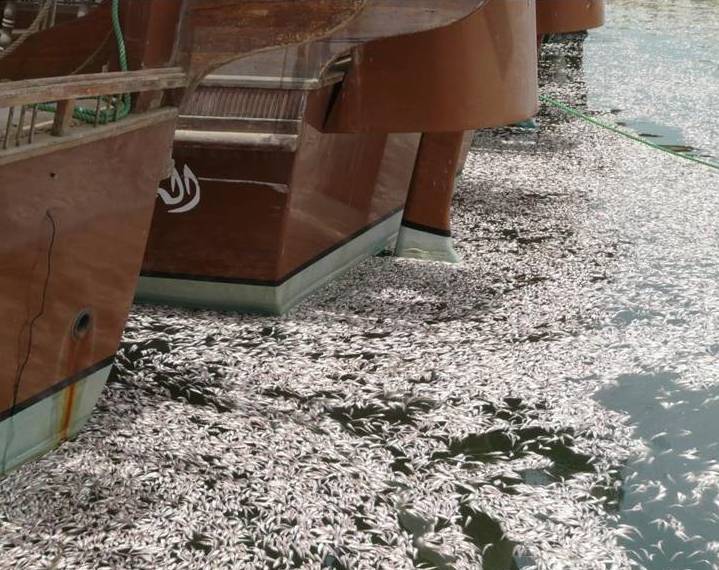
Feed the fish

Saturday, August 22, 2009

SWINE -FLU, what is this ? How to manage?

Viruses and Swine flu (SF)

The SF is like a common cold or flu. All Influenza ailments are caused by viruses. Viruses are very minute self replicating (with the aid of a living cell) infective/transfective agents containing the genetic material packed in a coat of protein or covering. The genetic material is either a DNA (Deoxyribosenucelic acid) or RNA (Ribose nucleic acid). The virus has to multiply like all cells multiply by duplicating. Viruses can duplicate or multiply by making several copies of its genetic material, each copy then has to be covered with the coat and this new baby virus will come out of the living cell to infect other cells and other organs and then other organisms etc. DNA replication happens in the host cell using the host mechinary. The DNA is a spiral molecule of genetic codes with complement binding of bases (three bases code for an aminoacid production) very much like the zipper. Only complement bases bind to other to produce specificity. When the DNA replicates the zipper unzips leaving open ends of bases ready to match with the complement bases. At this stage the DNA replicator enzyme collects the bases from the physiological soup and goes on fixing complement bases to the open zipper, thus making a complete complemeneted zipper from each half of the zipper that started in the begining. So two new zippers are formed which again unzip and the each unzipped open zipper produces its complement and four complete complemented zippers are made. Like this several copies of this zippers once formed, the codes that are hidden in the zipper in the form of bases will integrate into the host cell protein production mechanism there by instructing the host cell to produce the viral coat protein. Once the viral coat is produced the DNA (zipper) gets into the protein coat to form a baby virus. This is capable of infecting neighbouring cell, next organ and next organism. If the virus contains RNA instead of DNA, then the virus makes a DNA compelement to its RNA and then uses coding to produce the protein. The process of reverse transcription (RNA to DNA) is doen by a specific enzyme called reverse transcriptase. This process is prone for mistakes, i.e. while adding complement bases the enzyme may make mistakes and wrong base is added more often in RNA viruses than in DNA viruses. This wrong coding once in a while makes a new starin of the virus. That is specifically why the RNA viruses are difficult to handle both for vaccine production and also by the host as its antibody produced once may not become effective against a new strain. All the flu viruses are RNA viruses, so they change frequently. Though they have specific affinity to organism and cell types, the errors made and new starins formed may infect non-target organisms as it happened with swine flu virus entering human system.


It is said that the co-occurence of swin flu was noticed as early as 1918 and then the same viral was found in infections during 1980s in America. Since the pigs and the herdsmen or pig-keepers were in close association, there could had been a possibility of swine and human influneza viruses mixed in the swine and the exchange of genetic material took place and so the swine virus was capable of infecting humans.

Please see this video/tutorial link to understand the swine flu more clearly

http://www.nlm.nih.gov/medlineplus/h1n1fluswineflu.html

Monday, July 27, 2009

The Aquarium (contd...)

Making of the Aquarium...

See that you choose the right size of the tank (or decide on that) based on the room size in whcih you wish to install the aquarium. It should be away from direct sun, at a good view point for your regular pet-watch. You should also have some space for keeping the items connected with the tank such as the hand nets, tubings for siphon cleaning, funnel, small beaker, aerator connectives etc. I am embedding some more youtube clips for your convenience.

Now a days the acrylic ready molded tanks are available in the market. Its worth while going for the ready-made to avoid the mess of making your own tank. But, take it from me, its thrill and its a matter of grate satisfaction of having made our own aquarium....I have experienced it myself, ofcourse did fail a couple of times...!!!


Setting the aquarium tank

Once fabricated or bought, test your aquarium tank for leakage if any. Once confirmed, wipe it dry after through cleaning. Ready a table or a rust-proof casted stand to support the aquarium tank with water (make sure the stand is strong enough for this and mild disturbances if any by kids or accidental jerks). Keep the tank away from direct sunlight, else the algae that grow fatser will make your task of cleaning and maintaining the tank a major job.

Fill the tank with clean (purge the chlorin away if you use municipal water by storing the water for a day with aeration to remove chlorine if any present). Make the preparations just in-time for

I have given a web site, you can enter and explore...

http://www.squidoo.com/1stfirst