Wednesday, October 5, 2011

ನಡೆದಾಡುವ ಶಾರ್ಕ್ ಮೀನು....


ಎಪಾಲುಟ್ ಶಾರ್ಕಿನ ಬಾಯಿಯ ಮಾರ್ಪಾಡು


ಎಪಾಲುಟ್ ಶಾರ್ಕ್


The epaulette shark (Hemiscyllium ocellatum) is a species of longtailed carpet shark, family Hemiscylliidae, found in shallow, tropical waters off Australia and New Guinea (and possibly elsewhere). The common name of this shark comes from the very large, white-margined black spot behind each pectoral fin, which are reminiscent of military epaulettes. A small species usually under 1 m (3.3 ft) long, the epaulette shark has a slender body with a short head and broad, paddle-shaped paired fins. The caudal peduncle (to which the tail fin is attached) comprises over half the shark's length. Adults are light brown above, with scattered darker spots and indistinct saddles.

Epaulette sharks have nocturnal habits and frequent shallow water on coral reefs or in tidal pools. This shark has evolved to cope with the severe nighttime oxygen depletion (hypoxia) in isolated tidal pools by increasing the blood supply to its brain and selectively shutting down non-essential neural functions. It is capable of surviving complete anoxia for an hour without ill effects, and at a much higher temperature than most other hypoxia-tolerant animals. Rather than swim, epaulette sharks "walk" by wriggling their bodies and pushing with their paired fins. This species feeds on a wide range of small benthic invertebrates and bony fishes. Epaulette sharks are oviparous, with females depositing pairs of egg capsules around every 14 days from August to December. Due to their hardiness and small size, epaulette sharks are popular with both public and home aquaria. The International Union for Conservation of Nature (IUCN) has assessed this species as of Least Concern, as outside of the small aquarium trade it is of little interest to fisheries.


ನಡೆದಾಡುವ ಶಾರ್ಕ್ : ಎಪಾಲುಟ್ ಶಾರ್ಕ್

ಕೋರಲ್ ಕಾಡು ನಮ್ಮ ಭೂಮಿ ಮೇಲಿನ ಕಾಡಿನಂತೆಯೇ ವೈವಿಧ್ಯಮಯ ಜಗತ್ತು ಅದು ತನ್ನ ಸ್ವಭಾವದ್ದು. ಕೋರಲ್ ಕ್ಯಾಲ್ಸಿಯಂ ಕಾರ್ಬೊನೇಟ್ ಯಥೇಚ್ಛವಾಗಿ ಸ್ರವಿಸಲ್ಪಟ್ಟ ಜೀವಿಗಳ ವಾಸಗೂಡು. ಅಲ್ಲದೇ ಇಲ್ಲಿ ಸಮುದ್ರ ತಲದ ಸಸ್ಯಗಳೂ ಇರುತ್ತವೆ. ಇವುಗಳಲ್ಲಿ ಹಲವು ದ್ವಿತಿಸಂಶ್ಲೇಷಣಾ ಕ್ರಿಯೆ (ಹರಿತ್ತಿನ ಪ್ರಯೋಗದಿಂದ) ಮೂಲಕ ತಮ್ಮ ಆಹಾರವನ್ನು ಗಿಟ್ಟಿಸಿಕೊಂಡರೆ ಕೆಲ ಸಸಿಗಳು ಸಮುದ್ರದ ಅಗಾಧ ರಾಸಾಯನಿಕಗಳನ್ನು ಬಳಸಿಕೊಂಡು ಆಹಾರೋತ್ಪಾನೆ ಮಾಡಿಕೊಳ್ಳುತ್ತವೆ ಹಾಗಾಗಿ ಈ ಜಾತಿಯ ಸಸ್ಯಗಳಿಗೆ ಸೂರ್ಯನ ರಶ್ಮಿಯ ಅಗತ್ಯತೆ ಇರುವುದಿಲ್ಲ. ಕೋರಲ್ ಮತ್ತು ಸಸ್ಯಗಳಿದ್ದೆಡೆ ಇತರ ಜೀವಿಗಳೂ ವಾಸವಾಗೋದು ಸಹಜ. ಚಿಪ್ಪು ಮೀನು (ಶೆಲ್ ಫಿಶ್), ಅಕ್ಟೋಪಸ್, ಏಡಿ, ಸಿಗಡಿ, ಚಿಕ್ಕ, ಮಧ್ಯಮ ದೊಡ್ದ ಮತ್ತು ಅತಿ ದೊಡ್ದ ಗಾತ್ರದ ಮೀನು ಎಲ್ಲಾ ಕಾಣಸಿಗುತ್ತವೆ. ಇಲ್ಲಿ ಶಾರ್ಕ್ ಗಳಿಗೆ ಔತಣ ಯಾವಾಗಲೂ....ಇಂತಹ ಪರಿಸರದಲ್ಲೇ.. ಇರುವ ವೈವಿಧ್ಯಮಯ ಜೀವ ಸಂಕುಲ ವಿಜ್ಞಾನಿಗಳಿಗೆ ಸಧಾ ಸಂಶೋಧನೆಯ ಕೇಂದ್ರಬಿಂದುಗಳಾಗಿವೆ.

ನಡೆದಾಡುವ ಶಾರ್ಕ್...!!
ನಿಮಗೆ ಶಾರ್ಕ್ ಎಂದೊಡನೆ ವೇಗವಾಗಿ ಈಜುತ್ತಾ ಮೀನನ್ನು ಕಚ್ಚಿ ಓಡುವ ಶಾರ್ಕ ಚಿತ್ರ ಕಣ್ಣ ಮುಂದೆ ಬರುತ್ತದೆ... ನಡೆದಾಡುವ ಶಾರ್ಕ್ ..??!! ಇದು ನಿಜವೇ ಎನಿಸಬಹುದು.... ಹೌದು ನಿಜ..
ಈ ಶಾರ್ಕಲ್ಲಿ ಕಿವಿರಸೀಳಿನ ಕೆಳಭಾಗದ ರೆಕ್ಕೆಗಳು ನಡೆಪಾದದಂತೆ ಮಾರ್ಪಾಡುಗೊಂಡಿರುತ್ತವೆ. ಕೆಲ ಬೀಚ್ ಗೆ ಹೋಗುವ ಹವ್ಯಾಸವುಳ್ಲವರು "ಮಡ್ ಸ್ಕಿಪ್ಪರ್" ಎಂಬ ಮೀನನ್ನು ನೋಡಿರಬೇಕು. ಇದು ತನ್ನ ರೆಕ್ಕೆಗಳ ಸಹಾಯದಿಂದ ನಡೆದು ಬೀಚಿನ ಮೇಲೆ ಓಡಾಡುತ್ತದೆ...!!! ಇದೇ ತೆರನಾದ ಮಾರ್ಪಾಡು ಈ ನಡೆದಾಡುವ ಶಾರ್ಕಿನದು.
ಆಷ್ಟ್ರೇಲಿಯಾ ರಾಷ್ಟ್ರದ ಸಮುದ್ರದ ಸುತ್ತಮುತ್ತಲ ಸಮುದ್ರದ ಪರಿಸರಗಳಲ್ಲಿ ಕಂಡುಬರುವ ಈ ಮೀನು ಹೆಚ್ಚು ಆಳದ ನೀರಿಗೆ ಹೋಗುವುದಿಲ್ಲ. ಇದು ಗಾತ್ರದಲ್ಲಿ ಮಾಮೂಲಿ ಮೀನಿನಂತೆ ಕಂಡು ಬರುತ್ತದೆ ಮತ್ತು ವಯಸ್ಕ ಮೀನು ಸುಮಾರು ೩೦-೮೦ ಸೆಂ.ಮೀ. ಗೂ ಮೀರಿರುವುದಿಲ್ಲ. ಹಾಗಾಗಿ ಇದು ಇತರೆ ದೊಡ್ದ ಮೀನಿಗೆ ಅಥವಾ ಇತರೆ ಶಾರ್ಕ್ ಗಳಿಗೆ ಆಹಾರವಾಗುವ ಸಾಧ್ಯತೆ ಹೆಚ್ಚು. ಈ ಕಾರಣದಿಂದ ಎಪಾಲುಟ್ ಶಾರ್ಕ್ ಅದ್ಭುತ ದೇಹವರ್ಣಮಾರ್ಪಾಡಿನ ಹೊಂದಾಣಿಕೆ ಮಾಡಿಕೊಳ್ಳುತ್ತದೆ. ತನ್ನ ಮೈಮೇಲಿನ ಮಚ್ಚೆಗಳು ಹಾಗೂ ವರ್ಣವಿನ್ಯಾಸ ಇದನ್ನ ತನ್ನ ಪರಿಸರದ ಹಿನ್ನೆಲೆಯಲ್ಲಿ ತನ್ನನ್ನು ಕಬಳಿಸಲು ಹೊಂಚುಹಾಕುವ ಮೀನುಗಳಿಂದ ರಕ್ಷಿಸುತ್ತದೆ. ಇವು ಮೊಟ್ಟೆ ಇಡುವ ಶಾರ್ಕಾಗಿದ್ದು ಒಮ್ಮೆಗೆ ಎರೆಡೆರಂತೆ ವರ್ಷಕ್ಕೆ ೩೦-೪೦ ಮೊಟ್ಟೆ ಇಡುತ್ತದೆ. ಮೊಟ್ಟೆಗಳು ಮೊದಲೇ ಗಂಡು ಶಾರ್ಕಿನಿಂದ ಫಲಗೊಂಡು ಹೊರಬರುತ್ತವೆ. ಹಾಗಾಗಿ ಇವು ಹಕ್ಕಿ ಜಾತಿಯ ಮೊಟ್ಟೆ ಮೂಲದ ಸಂತಾನಾಭಿವೃದ್ಧಿಯನ್ನು ಹೋಲುತ್ತದೆ. ಇವು ಸಾಮಾನ್ಯವಾಗಿ ನಿಶಾಚರಿಗಳಾಗಿದ್ದು ಚಿಕ್ಕ ಮೀನು, ಸಿಗಡಿ ಇತ್ಯಾದಿಯನ್ನು ತಿಂದು ಬದುಕುತ್ತವೆ. ಇನ್ನು ಇವುಗಳ ವಿಶೇಷತೆ ಎಂದರೆ ಅತಿ ಕಡಿಮೆ ಕರಗಿದ ಆಮ್ಲಜನಕವಿರುವ ನೀರಿನಲ್ಲೂ ನಾಲ್ಕೈದು ಗಂಟೆ ಆರಾಮವಾಗಿ ಓಡಾಡಬಲ್ಲವು. ಕೆಲವು ನಿದರ್ಶನಗಳಲ್ಲಿ ಆಮ್ಲಜನಕ ರಹಿತ ಪರಿಸ್ಥಿಗಳಲ್ಲಿ ಸುಮಾರು ಒಂದು ಗಂಟೆ ಕಾಲ ಜೀವಿಸಿದ್ದೂ ಉಂಟು. ಈ ಅಸಾಧಾರಣ ಸಾಮರ್ಥ್ಯದ ಗುಣ ವಿಶೇಷವನ್ನು ಶೋಧಿಸುತ್ತಿರುವ ವಿಜ್ಞಾನಿಗಳು ಮಾನವ ಶಸ್ತ್ರಕ್ರಿಯಾ ಪ್ರಕ್ರಿಯೆಯಲ್ಲಿ ಅಂಶದಿಂದ ಉಪಯೋಗ ಸಾಧ್ಯತೆಗಳನ್ನು ಸಂಶೋಧಿಸುತ್ತಿದ್ದಾರೆ.
ಮೀನುಗಳು ಕಶೇರುಕಗಳ ಮೊದಲ ಕೊಂಡಿಯಾಗಿರುವುದರಿಂದ ಮಾನವ ವೈದ್ಯಶಾಸ್ತ್ರದ ಪ್ರಮುಖ ಶೋಧನಾ ವಸ್ತುಗಳಾಗಿವೆ.
 

Wednesday, June 29, 2011

Do Fish Commit Suicide..??? ಮೀನು ಆತ್ಮಹತ್ಯೆ ಮಾಡಿಕೊಳ್ಳುತ್ತವೆಯೇ??

Do Fish Die on their own...?? commit suicide?? supposed to be intelligent..!! or Fooled...???

ಮೀನು ಆತ್ಮ ಹತ್ಯೆ ಮಾಡಿಕೊಳ್ಳುತ್ತವೆಯೇ..? !!!
ಬಹಳ ವಿಚಿತ್ರ ಅನ್ಸುತ್ತೆ ಅಲ್ಲವೇ?
ನನ್ನ ಬ್ಲಾಗ್ ತಂಗಿಯೊಬ್ಬಳು "ಅಣ್ಣಾ ನನ್ನ ಗಾಜಿನ ತೊಟ್ಟಿಯ ಮೀನು ಏನು ಹಾಕಿದರೂ ತಿನ್ನುತ್ತಿಲ್ಲ ..ತುಂಬಾ ಲವಲವಿಕೆಯಿಂದ ಇದ್ದದ್ದು ... ಅದರ ಜೊತೆಗಾತಿ(ರ) ಸತ್ತಮೇಲೆ ಇದೂ ಬಡವಾಗ್ತಿದೆ..." ಅಂತ ಒಮ್ಮೆ ಹೇಳಿದ್ದಳು..
ನಾನು ಏನೋ ಒಂದು ನಿವಾರಣೋಪಾಯ ಹೇಳಿದ್ದೆ ಆದರೆ ಕೆಲವು ದಿನಗಳ ನಂತರ ಚಾಟಲ್ಲಿ...
"ಅಣ್ಣಾ ಅದು ಸತ್ತು ಹೋಯಿತು ಕಡೆಗೂ ತಿಂಡಿ ತಿನ್ನಲೇ ಇಲ್ಲ"  
ನನಗೂ ಬೇಸರ ಆಗಿತ್ತು..ನನ್ನ ಉಪಾಯ ಅವಳ ಮೀನನ್ನು ಉಳಿಸಲಿಲ್ಲವಲ್ಲಾ ಎಂದು... "ಹೌದು ಅಣ್ಣಾ ಮೀನುಗಳೂ ಹಾಗಾದ್ರೆ ಆತ್ಮಹತ್ಯೆ ಮಾಡ್ಕೊಳ್ತವಲ್ವಾ..?" ಅಂತ ಸವಾಲು ಹಾಕಿದ್ದಳು...
ಆಗ ಹೂಂ ಎಂದು ಸುಮ್ಮನಾಗಿದ್ದೆ ..ಆದ್ರೆ ನನ್ನ ಮನಸಲ್ಲಿ ಇದೇ ಕೊರೆತ...
ಹಾಗಾದ್ರೆ  ಏಕೆ ಹೀಗೆ...???

Fish live in differnt types of aquatic systems from vast open oceans to huge rivers, from tiny streams to mighty and fast flowing rivers, from fresh waters to highly saline seas, from very cold polar waters to very warm equatorial waters. They have in all (except for a very few species) one common feature and physiological similarity, they thrive on DISSOLVED OXYGEN in water which gets absorbed on the gill surface to enter the blood stream as it happens in mammalian lungs.

ಮೀನು ಹಲವು ವಿಧದ ಜಲಪರಿಸರಗಳಲ್ಲಿ ಜೀವಿಸುತ್ತದೆ- ಸಮುದ್ರ, ನದಿ, ಬಾವಿ ಕುಂಟೆ,  ಸರೋವರ, ಸಿಹಿ ನೀರು, ಉಪ್ಪುನೀರು, ಮಂಜುಗಡ್ಡೆಯಂತೆ ತಣ್ಣನೆಯ ಭೂಗೋಳದ ಧೃವ ಪ್ರದೇಶದ ಸಮುದ್ರ ಸಿಹಿನೀರು, ಭೂಮಧ್ಯರೇಖೆಯ ಬಳಿಯ ಬೆಚ್ಚಗಿನ ಸಮುದ್ರ ಮತ್ತು ಸಿಹಿನೀರ ಕೊಳಗಳು ಹೀಗೆ....ಎಲ್ಲ ಮೀನುಗಳೂ (ಕೆಲವನ್ನು ಬಿಟ್ಟರೆ) ಕಿವಿರುಗಳಮೂಲಕ ನೀರಲ್ಲಿ ಕರಗಿದ ಆಮ್ಲಜನಕವನ್ನು ತೆಗೆದುಕೊಂಡು ರಕ್ತದೊಳಕ್ಕೆ ಹೀರಿಕೊಳ್ಳುತ್ತಾ ರಕ್ತ ಶುದ್ಧಿಗೆ ಅನುವುಮಾಡಿಕೊಡುತ್ತವೆ. ಅಂದರೆ- ಕರಗಿದ ಆಮ್ಲಜನಕ ಮೀನಿನ ಪ್ರಾಣ...!!!

Now lets come to the question- Do fish commit suicide? The incidence of aquarium fish not accepting food after its mate died...seems a case similar to committing suicide..

Fish in the open water move as per their wish, in search of food, in search of mates, for spawning and breeding (some fish varieties go thousand of miles for the act of reproduction and even cross their normal water barriers.. by crossing seas and moving inot rivers).
One of the most common and daily movements is for food.

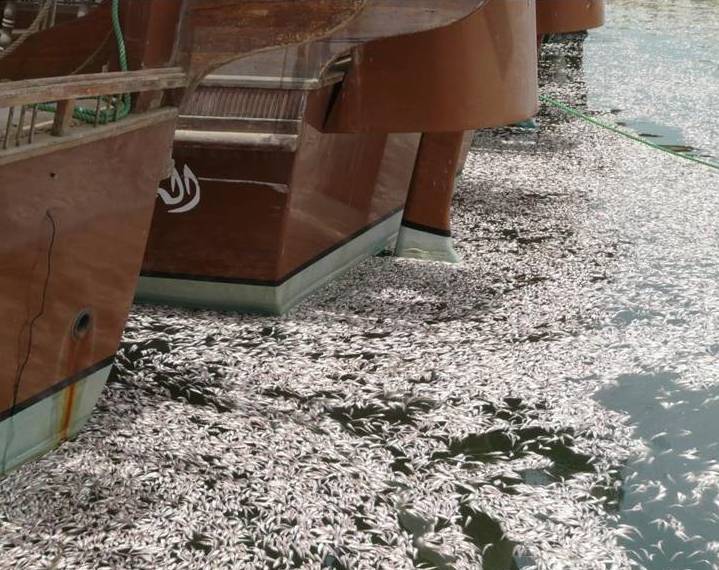
We witnessed two clear cases of fish kills in the Kuwait bay near shores of Salmiya characterized by the occurence of oxygen-depleted open waters serving as grounds for huge shoals of fish to enter a death trap and die enmass. The June 5th fish-kill is of particular importance...as this was characterized by the dominance of a shoaling sardine fish which move in shoals (each shoal might weigh as huge as 1-2 tonnes, especially seeing that each fish might not weigh more than 20-30g, they number in millions).


(Courtesy Fotos: Scientific team of KISR, Kuwait visiting the site of fish kill)

In similar circumstances sardine shoal was caught and suffered mass mortality during the summer months of 2005 in the Marina of Salmiya. It was a case of suffocated mass dealth of sardines. Oxygen Depleted (anoxic) conditions often occur in shallow coastal areas in conditions that trigger consumption of dissolved oxygen leading to low oxygen levels. Higher water temperatures on one hand reduce oxygen dissolution in water and on the other increase the oxygen demand of the living organisms which again adds to the misery of the fish that enter such anoxic waters.
The temperature, rich organic influx from urban waste dumping, low water circulation -all make the anoxic region an invisible capsule of death trap. The nutrients also trigger the growth of microscopic plankton (fish food) that acts as a lure to the visiting shoal. Unfortunately, when the shoal enters the bay lured by the rich food.. get into feeding frenzy that in turn increases their oxygen demand. The end effect: a huge gap between the availability of dissolved oxygen and the demand for it. So, by the time they realize that they are in the trap...its too late...and the whole shoal collapses due to suffocation.

Now, an intriguing question arises...!! why do the normally very sensible fish (they can detect undesirable conditions and escape from them into safer water..as it is a open waterbody..) enter the trap....?? yes, it is a chance factor..and the rich food that lures..the shoal to move-in instead of move-out from such un welcomed waters. Could this be a suicide..?? or its just the unfortunate mixing of several events leading to trap the fish..??
Now its for you to think....!!!!

ಮೀನುಗಳು ಸಮೂಹದಲ್ಲಿ ಸಂಚರಿಸುವುದು ಅವುಗಳ ಸಹಜ ಸ್ವಾಭಾವ. ಇದನ್ನು ಶೋಲಿಂಗ್ ಬಿಹೇವಿಯರ್ ಅಥವಾ ಸಾಮಾಜಿಕ ಸಮೂಹೀಕರಣ ಎನ್ನುತ್ತೇವೆ, ಇಲ್ಲಿ ಒಂದೇ ವಯಸಿನ ಸಾವಿರಾರು ಮೀನು ಒಟ್ಟಿಗೆ ಸಂಚರಿಸುವುದು ತಮ್ಮ ರಕ್ಷಣೆಗೆ ಎನ್ನುವುದು ಎಷ್ಟು ಸತ್ಯವೋ ಅಷ್ಟೇ ಸತ್ಯ ಅವು ಮುಖ್ಯವಾಗಿ ಸಸ್ಯಾಹಾರಿಗಳಾಗಿರುತ್ತವೆ ಎನ್ನುವುದು (ಕೆಲವು ಮಾಂಸಾಹಾರಿ ಮೀನಿನ ಸಮೂಹಗಳೂ ಕಂಡು ಬರುತ್ತವೆ). ಇವು ಆಹಾರಾನ್ವೇಷಣೆಯಲ್ಲಿ ಸಮುದ್ರದಲ್ಲಿ ವಿಹರಿಸುತ್ತವೆ. ಇಲ್ಲಿ ಸಮೂಹ ಮುಂಖಂಡರ ದಿಶಾನಿರ್ದೇಶನವೂ ಪ್ರಮುಖ ಅಂಶ. ಹೀಗೆ ವಿಹರಿಸುವ ಪ್ರತಿ ಸಮೂಹದ ಒಟ್ಟು ತೂಕ ೧-೨ ಟನ್ ಆಗಿರುತ್ತದೆ.  ಇಂತಹ ಸಮೂಹ ಸಂಚಾರಿಗಳಲ್ಲಿ ನಮ್ಮ ನಾಡಿನಲ್ಲಿ ಕಂಡುಬರುವ ಸಾರ್ಡಿನ್ (ಬೂತಾಯಿ) ಮತ್ತು ಮ್ಯಾಕರೆಲ್ (ಬಂಗುಡೆ) ಪ್ರಮುಖವಾದುವು. ಅದರಲ್ಲೂ ಸಾರ್ಡಿನ್ ಮತ್ತು ಅದೇ ಜಾತಿಯ ಇನ್ನಿತರ ಪ್ರಬೇಧಗಳು ಒಂದೊಂದೂ ೨೦-೩೦ ಗ್ರಾಂ ತೂಕ ಮೀರಿರುವುದಿಲ್ಲ.
ಸಮುದ್ರ ಕರಾವಳಿಗಳು ಭೂಭಾಗದಿಂದ ಹರಿದುಬರುವ ಪೋಷಕಾಂಶಗಳನ್ನು ಪಡೆಯುತ್ತವೆಯಾದ್ದರಿಂದ ಅಲ್ಲಿ ಸ್ವಾಭಾವಿಕವಾಗಿ ಪ್ರಾಥಮಿಕ ಉತ್ಪಾದನೆ (ಪ್ರೈಮರಿ ಪ್ರೊಡಕ್ಶನ್) ಹೆಚ್ಚಾಗಿದ್ದು ಮೀನಿನ ಆಹಾರಪ್ಲವಕ (ಪ್ಲಾಂಕ್ಟಾನ್) ಗಳು ಎತೇಚ್ಛವಾಗಿ ಕಂಡು ಬರುತ್ತವೆ, ಫೊಷಕಾಂಶಗಳ ಈ ಒಳ ಹರಿವು ನಗರ-ಪಟ್ಟಣಗಳ ಒಳಚರಂಡಿ ತ್ಯಾಜ್ಯಗಳ ಕಾರಣ ನಗರ ಪ್ರದೇಶಗಳಿರುವ ಕರಾವಳಿಗಳಲ್ಲಿ ಪ್ರಾಥಮಿಕ ಉತ್ಪಾದನಾ ಕ್ರಿಯೆ ಹೆಚ್ಚಾಗಿರುತ್ತದೆ. ಆಗ ಮಿತಿ ಮೀರಿದ ಪ್ಲವಕಗಳ ಉತ್ಪಾದನೆ ವೈಪರೀತ್ಯಕ್ಕೆ ದಾರಿ ಮಾಡುತ್ತದೆ. ಇಂತಹ ಸಸ್ಯಪ್ಲವಕಗಳಲ್ಲಿ (ಫೈಟೋ ಪ್ಲಾಂಕ್ಟಾನ್) ಹಲವು ನಂಜುಕಾರಕ ವಸ್ತುಗಳ ಸ್ರಾವಕ ಕಂಡುಬರುತ್ತದೆ..ಇವು ಮೀನಿಗೆ ಮಾರಕ, ನಂಜುಕಾರಕ ಅಲ್ಲದಿದ್ದರೆ ಅವುಗಲ ಮಿತಿಮೀರಿದ ಬೆಳವಣಿಗೆಯಿಂದ ಅವು ರಾತ್ರಿ ಸಮಯ ಉಸಿರಾಟಕ್ಕೆ ಆಮ್ಲಜನಕವನ್ನು ವ್ಯಯಿಸುತ್ತವೆ ಹಾಗಾಗಿ ಕರಗಿದ ಆಮ್ಲಜನಕದ ಕೊರತೆ ಅಂತಹ ನೀರಿನಲ್ಲಿ ಕಂಡು ಬರುತ್ತದೆ.
ಇನ್ನು ತ್ಯಾಜ್ಯಗಳ ಸಾವಯವಗಳು ನೀರಿನಲ್ಲಿ ಕೊಳೆಯಲು ಪ್ರಾರಂಭಿಸಿದಾಗ ಆ ಕ್ರಿಯೆಯೂ ಕರಗಿದ ಆಮ್ಲಜನಕವನ್ನು ಉಪಯೋಗಿಸುವಿದರಿಂದ ಆಮ್ಲಜನಕದ ಕೊರತೆ ಅಧಿಕವಾಗುತ್ತದೆ. ಕಡಿಮೆ ಆಳದ ತೀರಪ್ರದೇಶದಲ್ಲಿ ಗಾಳಿ ಮತ್ತು ನೀರಿನ ಆಂತರಿಕ ಹರಿವು ಕಡಿಮೆಯಾದಾಗ, ನೀರಿನ ಉಷ್ಣತೆ ಹೆಚ್ಚಿದಾಗ ನೀರಿನಲ್ಲಿ ಆಮ್ಲಜನಕದ ಕರಗುವಿಕೆಯೂ ಕಡಿಮೆಯಾಗುತ್ತದೆ. ಪ್ಲವಕಗಳ ವೈಪರೀತ್ಯ, ನೀರಿನ ಕಡಿಮೆ ಚಲನೆ, ಅಧಿಕ ಉಷ್ಣತೆ, ಕಡಿಮೆಯಾದ ಕರಗಿದ ಆಮ್ಲಜನಕ, ಪ್ಲವಕಗಳಿಂದ ಆಕರ್ಷಿತ ಮೀನಿನ ಆಗಮನ ಅವುಗಳ ಉತ್ತೇಜಿತ ಆಹಾರಸೇವನಾ ಪ್ರಕ್ರಿಯೆ ಎಲ್ಲವೂ...ಮೀನಿಗೆ ಅವಶ್ಯಕವಾದ ಕರಗಿದ ಆಮ್ಲಜನಕದಲ್ಲಿ ಅತೀವ ಕೊರತೆಯುನ್ನುಂಟು ಮಾಡಿ ಮೀನನ್ನು ಉಸಿರು ಕಟ್ಟಿಸಿ ಸಾಯಿಸುತ್ತದೆ. ಮೀನು ಸ್ವಭಾತಃ ತನಗೆ ಕಿರಿಕಿರಿ ಮಾಡುವ ನೀರಿನ ಗುಣಕಂಡಲ್ಲಿ ಅಲ್ಲಿಂದ ಪಾರಾಗುತ್ತವೆ.

ಈ ಹಿನ್ನೆಲೆಯಲ್ಲಿ ಕುವೈತಿನಲ್ಲಿ ಕಂಡುಬಂದ ಎರಡು ಮೀನಿನ ಸಾಮೂಹಿಕ ಸಾವಿನ (ಫಿಶ್ ಕಿಲ್) ನಿದರ್ಶನಗಳನ್ನು ಉಲ್ಲೇಖಿಸುತ್ತೇನೆ. ಇದೇ ಜೂನ್ ೫ರಂದು ಸಾಲ್ಮಿಯಾದ ಮರಿನಾದಲ್ಲಿ ಸುಮಾರು ೨-೩ ಟನ್ ಮೀನಿನ ಸಾಮೂಹಿಕ ಸಾವು ಮತ್ತು ೨೦೦೫ ರಲ್ಲಿ ಸರಿ ಸುಮಾರು ಇದೇ ಸಮಯದಲ್ಲಾದ ಇನ್ನೊಂದು ಸಾವು. ಎರಡೂ ಪ್ರಕರಣದಲ್ಲಿ ಸಾರ್ಡಿನ ಜಾತಿಯ ಮೀನೇ ಪ್ರಮುಖ ಬಲಿ.

ಸ್ವಾಭಾವಿಕವಾಗಿ ತಪ್ಪಿಸೊಕೊಳ್ಳುವ ಮೀನು ಏಕೆ ಮರಣ-ಕೂಪಕ್ಕೆ ಬಿತ್ತು? ಇದು ಆತ್ಮಹತ್ಯಾ ಪ್ರವೃತ್ತಿಯೇ?.. ಅಥವಾ ನಿಸರ್ಗ ನಿಯಮವೇ..??
ಹೌದು ಇದೊಂದು ರೀತಿ ಆಮಿಶವೊಡ್ಡಿ ಮೀನನ್ನು ಸಾಯಿಸುವ ನಿಸರ್ಗ ನೀತಿ ಎನ್ನಬಹುದೇ..?? ಮೀನಿನ ಶ್ರೀಮಂತ ಆಹಾರಪ್ಲವಕ ಮೈದಾನ ಕಂಡು ಮೀನು ಮುಗಿ ಬೀಳುತ್ತವೆ.... ಹುಚ್ಚಾಟವೆಂಬಂತೆ ಪ್ಲವಕಭಕ್ಷಣೆಯಲ್ಲಿ ತೊಅಡಗುತ್ತವೆ...ಈ ಉತ್ತೇಜಿತ ಆಹಾರಸೇವನಾ ಕ್ರಿಯೆ ಮಾಮೂಲಿಗಿಂತ ೨-೫% ಹೆಚ್ಚು ಆಮ್ಲಜನಕ ಬೇಡಿಕೆಗೆ ಕಾರಣವಾಗುತ್ತದೆ...ಇದೇ ಸಮಯಕ್ಕೆ ಅವು ಹಲವಾರು ಕಾರಣದಿಂದ ಕರಗಿದ ಆಮ್ಲಜನಕದಿಂದ ವಂಚಿತವಾದ ನೀರಿಗೆ ಬಂದುಬಿಟ್ಟಿರುತ್ತವೆ...ಉಸಿರಾಟ ಕಷ್ಟವಾಗಲೆನಿಸುವ ವೇಳೆಗೆ ಕೈಮೀರಿರುತ್ತೆ...ಮೀನು ಉಸಿರುಗಟ್ಟಿ ಸಾಯುತ್ತವೆ..!!!
ಇದು ಹಲವಾರು ಪ್ರಾಕೃತಿಕ ವೈಪರೀತ್ಯಗಳ ಒಂದೆಡೆ ಜಮಾವಣೆ ಮತ್ತು ಅಲ್ಪಕಾಲಿಕ ಮೃತ್ಯು ಕೂಪದ ನಿರ್ಮಾಣ ಮತ್ತು ಕಾತಾಳೀಯ ಎಂಬಂತೆ ಆಮಿಶಕ್ಕೊಳಗಾಗಿ ಒಳಬರುವ ಮೀನಿನ ಸಮೂಹ ಎಲ್ಲದರ ಒಟ್ಟು ಪರಿಣಾಮ.. ಸಮೂಹ ಮರಣ...ಫಿಶ್ ಕಿಲ್!!!
ಏನೆನ್ನಬಹುದು ಆತ್ಮ ಹತ್ಯೆಯೇ?? ಅಥವಾ ಪ್ರಾಕೃತಿಕ ಕ್ರಿಯೆಯೇ ಅಥವಾ ಮಾನವನ ವೈಪರೀತ್ಯವೇ..???? ನೀವೇ ಯೋಚಿಸಿ.


Wednesday, April 27, 2011

ಗಜಮುಖ ಮೃದ್ವಸ್ತಿ ಅಥವಾ ಎಲಿಫೆಂಟ್ ಶಾರ್ಕ್ ಮೀನು

ಗೆಳೆಯರೇ ಮತ್ತು ವಿಜ್ಞಾನಾಸಕ್ತರೇ, ಶಾರ್ಕ್ (shark series) ಸರಣಿಯಲ್ಲಿ ಈ ಕಂತಿನಲ್ಲಿ elephant shark ಗಜಮುಖ ಶಾರ್ಕ್ ಬಗ್ಗೆ ತಿಳಿಸುವ ಪ್ರಯತ್ನ ಮಾಡುತ್ತಿದ್ದೇನೆ.

ಮೊದಲೇ ತಿಳಿಸಿರುವಂತೆ ಶಾರ್ಕ್ ಮೀನು ಕಶೇರುಕ (vertebrates) ಮತ್ತು ಅಕಶೇರುಕಗಳ (invertebrates) ನಡುವಣ ಬಹು ಮುಖ್ಯ ಕೊಂಡಿ. ಹಾಗಾಗಿ ಪ್ರಾಣಿಜೀವ ಸರಣಿಯ ವಂಶವಾಹಿ (gene) ಗಳ ಸಾರಾಂಶ ಮಾಹಿತಿಯನ್ನು ಹೊಂದಿರುವ ಸಾಧ್ಯತೆಗಳು ಹೆಚ್ಚಾಗಿದ್ದು ಶಾರ್ಕ್ ಗಳ ಅಧ್ಯಯನ ಮಾನವನ ವಂಶವಾಹಿಗಳ ವಿಸ್ತೃತ ಮಾಹಿತಿಯನ್ನು ಕಂಡುಹಿಡಿಯುವಲ್ಲಿ ಬಹು ಉಪಯೋಗಿ ಆಗಬಹುದೆಂದು ಈ ದಿಶೆಯಲ್ಲಿ ಸಮ್ಶೋಧನೆಗಳು ಪ್ರಗತಿಯಲ್ಲಿವೆ. 
ಈ ನಿಟ್ಟಿನಲಿ ಅಂದಿನ ಬೆಂಗಳೂರು ಕೃಷಿ ವಿಶ್ವವಿದ್ಯಾನಿಲಯದ (ಈಗಿನ ಬಿಜಾಪುರದ ಪಶು ಸಂಗೋಪನೆ ಮತ್ತು ಮತ್ಸ್ಯ ಶಾಸ್ತ್ರ ವಿಶ್ವವಿದ್ಯಾಲಯದ) ಅಧೀನದ ಮಂಗಳೂರಿನ ಮೀನುಗಾರಿಕಾ ಮಹಾವಿದ್ಯಾಲಯದಲ್ಲಿ ಮೀನುಗಾರಿಕಾ ಪದವಿ ಮತ್ತು ಸ್ನಾತಕೋತ್ತರ ಪದವಿ ಪಡೆದ ವಿಶೇಷತಃ ನನಗೆ ಹೆಮ್ಮೆಯೆನಿಸುವ ನಮ್ಮ ಸೀನಿಯರ್  ಕನ್ನಡದವರಾದ ಡಾ. ಬೈರಪ್ಪ ವೆಂಕಟೇಶ್ ಸಿಂಗಪೂರ್ ನ  ಸಂಶೋಧನಾ ಸಂಸ್ಥೆಯೊಂದರಲ್ಲಿ ಉನ್ನತ ಸಂಶೋಧನೆಯಲ್ಲಿ ತೊಡಗಿದ್ದಾರೆ.  (http://esharkgenome.imcb.a-star.edu.sg/). ವೈದ್ಯಕೀಯ ಕ್ಷೇತ್ರದ ನೊಬೆಲ್ ವಿಜ್ಞಾನಿ ಬೆನ್ನರ್ ರವರ ಜೊತೆ ಕೆಲಸಮಾಡುವ ಇವರು ಗಜಮುಖ ಮೀನಿನ ಸಂಪೂರ್ಣ ವಂಶವಾಹಿನಿ ಜಾಲವನ್ನು ಬಿಡಿಸಲು ಹೊರಟಿದ್ದಾರೆ. ಈ ಮಾಹಿತಿ ಮಾನವನ ಹಲವಾರು ವೈದ್ಯಕೀಯ ಸವಾಲುಗಳಿಗೆ ಪರಿಹಾರ ಹುಡುಕುವಲ್ಲಿ ಸಹಾಯಕವಾಗಬಹುದು ಎನ್ನುವ ಸಾಧ್ಯತೆ ಇದೆ.
    (ಎಲಿಫೆಂಟ್ ಶಾರ್ಕ್ : ಚಿತ್ರ ಕೃಪೆ ಅಂತರ್ಜಾಲ)

(ಎಲಿಫೆಂಟ್ ಶಾರ್ಕ್: ಚಿತ್ರ ಕೃಪೆ ಅಂತರ್ಜಾಲ)

ಎಲಿಫೆಂಟ್ ಶಾರ್ಕ್, ಭೂತ ಮೀನು, ರೆಪೆರೆಪೆ ಅಥವಾ ಖಮಿರಾ ಎಂದೇ ಕರೆಯಲ್ಪಡುವ ಈ ಮೃದ್ವಸ್ಥಿ ಮೀನು ಆಸ್ಟ್ರೇಲಿಯಾ ಮತ್ತು ನ್ಯೂಜಿಲ್ಯಾಂಡ್ ಸಮುದ್ರಗಳಲ್ಲಿ ಸುಮಾರು ೨೦೦-೫೦೦ ಮೀ ಆಳಗಳಲ್ಲಿ ಕಂಡುಬರುತ್ತದೆ. ಇದು ಹೆಚ್ಚೆಂದರೆ ೧-೧.೨ ಮೀಟರ್ ಬೆಳೆಯುತ್ತದೆ. ಜೀವವಿಕಾಸ ಸರಣಿಯ ಕಶೇರುಕಗಳ ಮೊದಲ ಕೊಂಡಿಗಳು ಎಂದೇ ಬಿಂಬಿತವಾಗುವ ಎಲಿಫೆಂಟ್ ಶಾರ್ಕ್ ಸುಮಾರು ೫೩೦ ದಶ ಲಕ್ಷ ವರ್ಷಗಳ ಹಿಂದೆ ವಿಕಸನ ಹೊಂದಿದ್ದು ಜೀವವಾಹಿನಿಗಳ ಮಾಹಿತಿ ಆಧಾರದಲ್ಲಿ ಮಾನವನ ಜೀವವಾಹಿನಿ ಮತ್ತು ಎಲಿಫೆಂಟ್ ಶಾರ್ಕ್ ನಡುವೆ ಸಾಮ್ಯತೆ ಕಂಡುಬಂದಿದೆ. ಈ ಮೀನಿನ ಜೀವವಾಹಿನಿ ನ್ಯೂಕ್ಲಿಯೋಟೈಡ್ ಪ್ರಮಾಣ ಸುಮಾರು ೯೨೦ ಮೆಗಾ ಬೇಸ್ ಇದೆಯೆಂದು ತಿಳಿಯಲಾಗಿದೆ. ಇವುಗಳ ಇತರೆ ಮಾಹಿತಿಯನ್ನು ಹೊತ್ತ ಮತ್ತೊಂದು ಕಂತು ಸೀಘ್ರದಲ್ಲೇ ಬರಲಿದೆ..................(ನಿಮ್ಮ ಅನಿಸಿಕೆ ಟೀಕೆ, ಟಿಪ್ಪಣಿಯನ್ನು ಸ್ವಾಗತಿಸುತ್ತೇನೆ).

Friday, March 4, 2011

Sharks (ಶಾರ್ಕುಗಳು)----ಚಿತ್ರ ಮಾಹಿತಿ ಮಾಲಿಕೆ...ಎರಡು

ಶಾರ್ಕ್ ಜಾತಿಯ ಸಹಜೀವಿಗಳು - ರೇ ಮತ್ತು ಸ್ಕೇಟ್ ಮೀನುಗಳು
ಇವೂ ಮೃದ್ವಸ್ತಿ ಮೀನುಗಳು. ಆದರೆ ಇವುಗಳ ಆಕಾರ ವಿಭಿನ್ನವಾಗಿರುತ್ತದೆ.
ಇವುಗಳ ಬಗ್ಗೆ ಹೇಳುವುದಕ್ಕೆ ಮುಂಚೆ ಶಾರ್ಕ್ ಮೀನಿನ ಕೆಲವು ವೈವಿಧ್ಯಗಳನ್ನು ತಿಳಿಸಲೇ ಬೇಕು.
ಇವೇ ಸುತ್ತಿಗೆ ತಲೆ ಶಾರ್ಕ್ ಮತ್ತು ಗರಗಸ ಮೂತಿಯ ಶಾರ್ಕ್

ಚಿತ್ರ ಕೃಪೆ: ict.mic.ul.ie

(source: web on sharks)
Hammer Headed Shark ಅಥವಾ ಸುತ್ತಿಗೆ ತಲೆಯ ಶಾರ್ಕ್, ಸುಮಾರು ೨೦ ಅಡಿ ಉದ್ದದವರೆಗೂ ಬೆಳೆಯುತ್ತದೆ, ಇದರಲ್ಲಿ ಒಂದೆರಡು ಪ್ರಬೇಧಗಳು ಮಾನವನಿಗೆ ಅಪಾಯಕಾರಿ ಎಂದು ತಿಳಿದುಬಂದಿದೆ.

ಇನ್ನು ಗರಗಸ ಶಾರ್ಕ್ ಇನ್ನೊಂದು ವಿನೂತನ ಶರೀರ ರೂಪ ಹೊಮ್ದಿದ ಶಾರ್ಕ್. ಇದರ ತಲೆಯ ಮುಂಭಾಗ ಚೂಪಾಗಿ ಮಾರ್ಪಟ್ಟಿದ್ದು ಆ ಭಾಗ ಗರಗಸವನ್ನು ಹೋಲುತ್ತದೆ.

ಹೀಗೇ ಹಲವಾರು ಜಾತಿಯ ಶಾರ್ಕುಗಳಿದ್ದು,,,ಒಮ್ದು ಅಧ್ಯಯನದ ಪ್ರಕಾರ ೪೫೦ ಕ್ಕೂ ಮಿಕ್ಕು ಶಾರ್ಕ್ ಪ್ರಬೇಧಗಳಿವೆ ಎಂದು ತಿಳಿದು ಬಂದಿದೆ.
................................................................................ಇನ್ನೂ ಈ ಮೀನುಗಳ ವಿಧಗಳ ವಿವರ ಮುಂದಿನ ಕಂತಿನಲ್ಲಿ.. 

Saturday, December 11, 2010

Sharks (ಶಾರ್ಕುಗಳು)----ಚಿತ್ರ ಮಾಹಿತಿ ಮಾಲಿಕೆ...ಒಂದು

Sharks...


Sharks are the first links of vertebrates with the vertebrates
ಅಕಶೇರುಕಗಳನ್ನು ಕಶೇರುಕಗಳೊಂದಿಗೆ ಜೋಡಿಸುವ ಕೊಂಡಿಯೇ ಶಾರ್ಕುಗಳು..ಇವುಗಳಲ್ಲಿ ಸಹಜಸ್ತಿ (ಗಡಸು ಮೂಳೆ) ಇರದೆ ಇವನ್ನು ಮೃದ್ವಸ್ತಿಗಳೆಂದು ವಿಂಗಡಿಸಲಾಗಿದೆ.
It is well known that the evolutiona has passed through a very important link in animal life and these wonderful organisms provide many clues to the higher animals and notably the man, the intelligent animal, for his own good.

Let me introduce a few species of sharks to you and give some basic information (thanks to shark information.org)
ಇದನ್ನು ಮಾಹಿತಿ ಅಥವಾ ಮೂಲ ಜ್ಞಾನದ ಬಿತ್ತರಕ್ಕೆ ಪ್ರಯೋಗಿಸುತ್ತಿದ್ದೇನೆ..(ಕೃಪೆ: ಶಾರ್ಕ್ ಇನ್ಫರ್ಮೇಶನ್.ಆರ್ಗ್).

ಜಲಚರಗಳ ವಿಕಸನ ಸರಣಿಯ ಅಮೋಘ ಜೀವಿಗಳು ಶಾರ್ಕ್ ಜಾತಿಯ ಜೀವ ಸಂಕುಲ (ಮೃದ್ವಸ್ತಿಗಳು - Elasmobranchs)
The sharks, skates and rays constitute the Elasmobranch group and they form one of the most majestic life forms of the seas, though some of them may also be seen in the freshwater habitats.

ಶಾರ್ಕ್, ಸ್ಕೇಟ್ ಮತ್ತು ರೇ ಮೂರು ವಿಧದ ಮೀನುಗಳು ಇವುಗಳ ಗಾಂಭೀರ್ಯ ಅನಭಿಶಕ್ತತೆ ನೋಡುತ್ತಲೇ ವಿದಿತವಾಗುತ್ತದೆ. ಇವುಗಳಲ್ಲಿ ಹುರುಪೆ (ಸ್ಕೇಲ್) ವಿಶಿಷ್ಟ ರೀತಿಯ ಪ್ಲಕಾಯ್ಡ್ ಹುರುಪೆಗಳು...ತ್ರಿಭುಜಾಕಾರದ ಚೂಪು ಹುರುಪೆಗಳು ಮತ್ತು ಚರ್ಮ ಬಹು ಗಡಸು, ಒರಟು ಹಾಗೂ ದಪ್ಪ. ಈ ಮೀನುಗಳು ಕಿವಿರು ಸೀಳುಗಳ ಮೂಲಕ ನೀರನ್ನು ಒಳತೆಗೆದುಕೊಂಡು ಆಮ್ಲಜನಕವನ್ನು ಕಿವಿರು ಬಳ್ಳಿಗಳ ಮೂಲಕ ವಿನಿಮಯ ಮಾಯಿಕೊಂಡು ರಕ್ತಕ್ಕೆ ನೀಡುತ್ತವೆ (ಹಿರಿ ಪ್ರಾಣಿಗಳಲ್ಲಿರುವಂತೆ ಇವುಗಳಲ್ಲಿ ಶ್ವಾಸಕೋಶ ಇರುವುದಿಲ್ಲ ಕಿವಿರುಗಳು ಆ ಕೆಲಸ ಮಾಡುತ್ತವೆ). ಹಾಗೆಯೇ ಸಹಜಸ್ತಿ ಮೀನುಗಳಲ್ಲಿರುವಂತೆ ಇವುಗಲಲ್ಲಿ ಕಿವಿರುಕವಚ ಇರುವುದಿಲ್ಲ ಕಿವಿರುಗಳು ಸೀಳುಗಳಾಗಿದ್ದು ತೆರೆದಿರುತ್ತವೆ.

ಮೊದಲಿಗೆ ಕೆಲ ಪ್ರಬೇಧಗಲ ಪರಿಚಯ ಮಾದಿಕೊಂಡು ನಂತರ ಕೆಲವು ಸೂಕ್ಷ್ಮಗಳನ್ನು ತಿಳಿದು ಕೊಳ್ಳೋಣ.

೧. ಮಹಾನ್ ಶ್ವೇತ ಶಾರ್ಕ್ (Great White Shark)


ಇದು ಬಹಳ ಚರ್ಚಿತ (ಚಲನ ಚಿತ್ರದ ನಂತರ -ಜಾಸ್ ಮೂಲಕ) ಸಮುದ್ರ ಜೀವಿ. ಇದು ಸುಮಾರು ೩೫೦ ದಶ ಲಕ್ಷ ವರ್ಷಗಳ ಜೀವವಿಕಾಸ ಹಿನ್ನೆಲೆಯ ಅಮೋಘ ಜೀವಿ.
ಇದರ ವರ್ಗೀಕರಣ ಹೀಗಿದೆ
•Order: Lamniformes

ವರ್ಗ: ಲ್ಯಾಮಿನಿಫಾರ್ಮಿಸ್
•Family: Lamnidae
ಕುಟುಂಬ: ಲ್ಯಾಮ್ನಿಡೇ
•Genus: Carcharodon
ಜೀನಸ್: ಕಾರ್ಕರೋಡಾನ್
•Species: carcharias
ಪ್ರಬೇಧ: ಕಾರ್ಕಾರಿಯಸ್

•Scientific Name: Carcharodon carcharia
ವೈಜ್ಞಾನಿಕ ಹೆಸರು: ಕಾರ್ಕಾರಡಾನ್ ಕಾರ್ಕಾರಿಯ
(ಚಿತ್ರ ಕೃಪೆ: http://www.3.bp.blogspot.com/)

ಸಾಮಾನ್ಯವಾಗಿ ೪೦-೫೦ ವರ್ಷ ಆಯಸ್ಸಿನ ಈ ಮೀನು ೪ ರಿಂದ ೫ ಮೀಟರ್ ಸರಾಸರಿ ಉದ್ದವಿರುತ್ತದೆ (೬.೫ ಮೀ ಸಹಾ ಕಂಡು ಬಂದಿದೆ). ಇವು ೨೦೦೦ ದಿಂದ ೪೦೦೦ ಕೆ.ಜಿ. ತೂಕವಿರುತ್ತವೆ. ಇದರ ಮರಿ ಸುಮಾರು ೧ ರಿಂದ ೧.೫ ಮೀಟರ್ ಉದ್ದವಿರುತ್ತದೆ. ಒಂದು ಹೆಣ್ಣು ಒಮ್ಮೆಗೆ ೬-೧೦ ಮರಿಗಳನ್ನು ಹಾಕುತ್ತದೆ. ಶಾರ್ಕ ಒವೋವೈವಿಪ್ಯಾರಸ್ ಅಂದ್ರೆ ಮರಿಹಾಕುವ (ತಾಯಿ-ಮಗುವಿನ ಮಧ್ಯೆ ಪೋಷಣಾ ಸಂಪರ್ಕವಿಲ್ಲದ) ವಿಧಾನದ ಸಂತಾನೋತ್ಪತ್ತಿ ಮಾಡುತ್ತದೆ. ಹೆಣ್ಣು ಸಮಾನ್ಯವಾಗಿ ಗಂಡಿಗಿಂತ ಹೆಚ್ಚು ಗಾತ್ರವಿರುತ್ತದೆ.

Saturday, June 5, 2010

World Environment Day (June 5th)

World Environment Day (June 5th)
Friends, information is more important and we need to be informed...thats the reason why I have opted to just depict what was given on MSN including the fotos....
Are we really taking care of ourselves...whom are we blaming for the environmental extremes we are increasingly experiencing?
Lets have a recap of what we have done to the Environment and Ecology.....


As we get ready to observe the World Environment day on 5 June, with the BP oil spill looming large in the background, here's a look at some of the greatest ecological disasters that could have been clearly avoided if we had been a bit more careful.


1. Chernobyl, Russia: Nuclear power plant explosion


A boy stands next to portraits of the victims of the accident at the Chernobyl power station

What has come to be acknowledged as the worst ever nuclear power plant accident in history, happened on the 26th of April in 1986 when a reactor at the Chernobyl plant, in the Ukrainian Soviet Socialist Republic, had a meltdown and the resulting fire sent a plume of radioactive fallout into the atmosphere and over an extensive geographical area, drifting over large parts of the western Soviet Union, Eastern Europe, Western Europe, and Northern Europe.
Four hundred times more radioactive material was released than had been by the atomic bombing of Hiroshima. The people that have lived in the Chernobyl area during the accident suffer from various health problems. Immediately following the accident, hundreds of people were diagnosed with radiation sickness.
Particularly in Belarus, there has been a dramatic increase in the number of thyroid cancers (2.400%) and leukaemia (100%). Children of Chernobyl victims suffer from birth defects (250% increase), causing cancer and heart diseases. Approximately 64% of all Ukrainian children under 15 suffering from cancer lived in the most contaminated areas. Genetic defects often result in mutations causing missing limbs.
Estimates range from 60 - 200 years before the area can be used for any activity. Farming or any other type of agricultural industry would be dangerous and completely inappropriate for at least 200 years. As for the #4 reactor where the meltdown occurred, it is estimated that it will be 20,000 years before the real estate will be fully safe.
A Greenpeace report in 2006 estimated that the full consequences of the Chernobyl disaster could top a quarter of a million cancer cases and nearly 100,000 fatal cancers.


2. Bhopal, India: The Union Carbide gas leak
The sun sets behind the Union Carbide Corp pesticide plant in Bhopal

On the night of December 2-3, 1984, a pesticide plant operated by the Union Carbide in Bhopal, released methyl isocyanate (MIC) gas and other toxins, resulting in the exposure of over 500,000 people.
Estimates vary on the death toll. The government of Madhya Pradesh confirmed a total of 3,787 deaths related to the gas release. Other government agencies, however, estimate 15,000 deaths.
It is estimated that 20,000 have died since the accident from gas-related diseases. Another 100,000 to 200,000 people are estimated to have permanent disabilities. A research conducted by the BBC in 2004 pointed out that this pollution still causes people to fall ill, and ten more die every year.

3. Seveso, Italy: The dioxin crisis
The dioxin cloud polluted a densely populated area of 6 kms long and one km wide, immediately killing many animals.
An explosion around midday on July 10, 1976 occurred in a TCP (2,4,5-trichlorophenol) reactor in the ICMESA chemical company in Meda, Italy resulting in a toxic cloud with high concentrations of TCDD, a highly toxic form of dioxin being released into the atmosphere.
The media now mentions Seveso in line with major disasters such as Bhopal and Chernobyl, which have both become international symbols of industrially related disease.
The Seveso accident and the immediate reaction of authorities led to the introduction of European regulation for the prevention and control of heavy accidents involving toxic substances. This regulation is now known as the Seveso Directive.
4. Exxon Valdez oil spill


People attend a candlelight vigil in memory of the Exxon Valdez disaster
On March 24, 1989 the American oil tanker Exxon Valdez clashed with the Bligh Reef, causing a major oil leakage in the pristine waters of Alaska's Prince William Sound.
This 11 million gallon oil spill spread almost 500 miles polluting 1900 km of coastline. The oil spill killed approximately 250.000 sea birds, 2.800 sea otters, 250 bald eagles and possibly 22 killer whales. This despite the mobilization of more than 11,000 people and 1,000 boats as part of the cleanup.
Though the Exxon Valdez oil slick has been regarded as the largest man-made environmental disaster in US history, the Gulf of Mexico spill that began in April 2010 may eventually surpass it in severity.
5. The Love Canal chemical waste dump, USA


A danger sign stands amid a permanently fenced-off section of the area formerly known as the Love Canal
A seemingly regular neighbourhood, the only thing that distinguished Love Canal near the Niagara Falls, was the strange odours that often hung in the air and an unusual seepage noticed by inhabitants in their basements and yards. Children in the neighbourhood often fell ill. Love Canal families regularly experienced miscarriages and birth defects.
When Love Canal was researched it was discovered that the town was sitting over 21,000 tons of toxic industrial waste that had been buried underground in the 1940s and '50s by a local company.
The waste mainly consisted of pesticide residues and chemical weapons research refuse. The chemicals had entered homes, sewers and yards. More than 900 families were moved away from the location. Eventually President Carter provided funds to move all the families to a safer area.


6. The Three Mile Island, USA: The nuclear nightmare


The dormant cooling towers of the Unit 2 reactor of the Three Mile Island nuclear power plant

On March 28, 1979, the Three Mile Island nuclear reactor near Harrisburg partially melted down causing a near nuclear disaster. Fortunately about 18 billion curies of radiation that could have been released were held by the containment structure around the reactor.
But coming barely two weeks after the release of the Jane Fonda film The China Syndrome, the Three Mile Island incident became the natural outlet for fears about the nuclear-power industry.
Though it was uncertain uncertain how much radiation was exactly released, a few days after the accident had occurred all children and pregnant women were evacuated from an 8 km radius of Three Mile Island as a safety precaution.
Radiation from the Three Mile Island reactor has contributed to the premature deaths of some elderly people that lived in the region. Dairy farmers reported that many animals have died consequential to the accident and local residents have developed cancers. Some studies suggested that premature deaths and birth defects also resulted from the nuclear melt-down


7. The death of the Aral Sea, Kazakhstan


Cows walk in the desert which used to be the seabed of the Aral Sea

This was once among the four largest lakes of the world with an area of 68,000 square kilometres(as big as Ireland). The Aral Sea, however, has shrunk by 90% since the 1960s after the rivers that fed it were diverted by Soviet Union irrigation projects.
What was once a vibrant, fish-stocked lake is now a massive desert that produces salt and sandstorms that kill plant life and have negative effects on human and animal health for hundreds of miles around. Scores of large boats sit tilted in the sand -- a tableau both sad and surreal.

8. Kuwaiti Oil fires, Gulf war
Despite the uncertainty surrounding the size of the spill, figures place it several times the size of the Exxon Valdez oil spill.
The Gulf War oil spill/ fires is regarded as the largest oil spill in history, resulting from the 1990 Iraqi invasion of Kuwait. As the 1991 Persian Gulf War drew to a close, Hussein sent men to blow up Kuwaiti oil wells. Approximately 600 were set ablaze, and the fires -- literally towering infernos -- burned for seven months.
The oil spill, which began on January 23, 1991, caused considerable damage to wildlife in the Persian Gulf especially in areas surrounding Kuwait and Iraq. Estimates on the volume spilled usually range around 11 million barrels; the slick reached a maximum size of 6787 km² and was 5 inches thick in some areas.

9. Minimata Disease, Japan


Minamata disease, sometimes referred to as Chisso-Minamata disease, is a neurological syndrome caused by severe mercury poisoning.

Minamata disease was first discovered in Minamata city in Kumamoto prefecture, Japan in 1956. It was caused by the release of methyl mercury in the industrial wastewater from the Chisso Corporation's chemical factory, which continued from 1932 to 1968. This highly toxic chemical bioaccumulated in shellfish and fish in Minamata Bay and the Shiranui Sea, which when eaten by the local populace resulted in mercury poisoning.
While cat, dog, pig and human deaths continued over more than 30 years, the government and company did little to prevent the pollution.
As of March 2001, 2,265 victims had been officially recognised and over 10,000 had received financial compensation from Chisso Corpo. By 2004, Chisso had paid $86 million in compensation, and in the same year was ordered to clean up its contamination.


10. The Great London smog


It is consdered the worst air pollution event in the history of the United Kingdom

The Great Smog or Big Smoke was a severe air pollution event that
affected London in December 1952. A period of cold weather combined with an anticyclone and windless conditions, collected airborne pollutants mostly from the use of coal to form a thick layer of smog over the city. It lasted from Friday 5th to Tuesday the 9th December 1952,and then quickly dispersed after a change in the weather.
Although it caused major disruption due to the effect on visibility, and even penetrated indoor areas, it was not thought to be a significant event at the time. In the following weeks however, medical reports estimated that 4,000 had died prematurely and 100,000 more were made ill due to the smog's effects on the human respiratory tract. More recent research suggests that the number of fatalities was considerably higher at around 12,000.

Friday, November 20, 2009

ಜೀವಿಗಳಲ್ಲಿ ರೋಗನಿರೋಧಕ ಗುಣ (Immunity in Life forms)

ಸ್ನೇಹಿತರೇ, ಈ ನನ್ನ ಬ್ಲಾಗ್ ಪೋಸ್ಟಿನಲ್ಲಿ ಜೀವಿಗಳ ರೋಗನಿರೋಧಕ ಗುಣ (Immunity) ಬಗ್ಗೆ ಸರಣಿಯನ್ನು ಪ್ರಾರಂಭಿಸುತ್ತಿದ್ದೇನೆ. ದಯವಿಟ್ಟು ನಿಮಗೆ ತಿಳಿದ ಸ್ನೇಹಿತರಿಗೆ ವಿದ್ಯಾರ್ಥಿಗಳಿಗೆ ಈ ತಾಣದ ಬಗ್ಗೆ ಮಾಹಿತಿ ಕೊಡಿ..ತಿಳುವಳಿಕೆ ಕನ್ನಡದ ಮೂಲಕ ಹರಡಲು ಸಹಾಯಕರಾಗಿ.

೧. ಸ್ವಪರಿಚಿತ (innate) ರೋಗನಿರೋಧಕತೆ (immunity)

ನಾನು ಪ್ರಾಣಿಗಳ ರೋಗನಿರೋಧಕ ಗುಣದ ಈ ಮೊದಲ ವಿಶೇಷತೆಯ ಬಗ್ಗೆ ಈ ಕಂತಿನಲ್ಲಿ ತಿಳಿಸಲಿಚ್ಛಿಸುತ್ತೇನೆ. ನನ್ನ ಈ ಲೇಖನಕ್ಕೆ ಒಂದು ಚಾಲಿತ ಚಿತ್ರಮಾಲಿಕೆ(animated clip) ನಿಮ್ಮಲ್ಲಿಗೆ ವಿಷಯವನ್ನು ತರಲು ಸಹಾಯಕವಾಗಬಹುದು.
ರೋಗನಿರೋಧಕ (ರೋನಿ) ಗುಣಗಳು ಎರಡು ಪ್ರಮುಖ ವಾಹಿನಿ (ಇವು ಒಂದಕ್ಕೊಂದು ಪೂರಕ ಮತ್ತು ಸಹಾಯಕ ಕೂಡ ಆಗಿರುತ್ತವೆ) ಗಳಿಂದ ಕೂಡಿವೆ ಎಂದು ಗುರುತಿಸಲ್ಪಟ್ಟಿವೆ. ಇವಕ್ಕೆ ಸ್ವಪರಿಚಿತ (ತಮಗೇ ತಿಳಿದ) ಮತ್ತು ಪರಿಚಯಾನಂತರದ (ಉದ್ಭವವಾಗುವ) ರೋಗ ನಿರೋಧಕ ಗುಣಗಳು ಎನ್ನಲಾಗಿದೆ ಇವನ್ನೇ Innate ಮತ್ತು Acquired Immunity ಎಂದು ಹೇಳಲಾಗುವುದು.
ಮೊದಲಿಗೆ ಜೀವಿಯ ಜೀವಕೋಶಕ್ಕೆ ಪರಿಚಯವಾಗುವ ಬಾಹ್ಯಾಂಶ (ಅಥವಾ ಬಾಹ್ಯವಸ್ತು ಅಥವಾ ಜೀವಿಯ ಅಂಶ ಎಂದರೂ ತಪ್ಪಿಲ್ಲ, antigen)ದ ಕೆಲವು ತತ್ವಗಳು (ಬಾಹ್ಯತತ್ವ ಅಥವಾ ಬಾಹ್ಯಾಂಶದ ಸಣ್ಣ ಸಣ್ಣ ಕಣಗಳು– epitopes) ಜೀವಿಯ ರೋಗನಿರೋಧಕ ಗುಣವನ್ನು ಎಚ್ಚರಿಸುವ ಕೆಲಸ ಮಾಡುತ್ತವೆ. ಆಗ ಜೀವಿಯ ಮೊದಲ ಶ್ರೇಣಿಯ ರೋಗನಿರೋಧಕಗಳನ್ನು ಎಚ್ಚರಿಸುವ ಕ್ರಿಯೆ ಪ್ರಾರಂಭವಾಗುತ್ತದೆ. ಈ ಮೊದಲ ಶ್ರೇಣಿಯ ರೋ.ನಿ. ಗಳು ಚರ್ಮ, ಬೆವರು, ಲಾಲಾ ಅಥವಾ ಜೊಲ್ಲು, ಲೋಳೆ (ಕಿವಿ ಮೂಗಿನಲ್ಲಿ ಕಾಣುವ ಅಂಟಾದ ದ್ರವ)..ಹೀಗೆ. ಈ ಶೇಣಿಯ ಜೀವಕೋಶಗಳೆಂದರೆ ಡೆಂಡ್ರೈಟ್ ಜೀವಕೋಶಗಳು. ಇವು ಚರ್ಮ, ರಕ್ತ, ಒಳಮಾಂಸ ಪದರಗಳು, ಹ್ರುದಯದ ಗೋಡೆಗಳು, ಕರುಳು ಮೇಲ್ ಮತ್ತು ಒಳ ಪದರಗಳು..ಹೀಗೆ ಎಲ್ಲೆಡೆ..ಕಂಡು ಬರುತ್ತವೆ. ಇವು ಇಂದೆಡೆ ಸ್ಥಿತ ಅಥವಾ ಸಂಚರಿಸುವ (fixed or circulating dendritic cells) ಜೀವಕೋಶಗಳಾಗಿರುತ್ತವೆ. ರೋಗಕಾರಕಗಳ ಅಂಶಗಳು ಚರ್ಮವನ್ನು ಭೇದಿಸಿ ಡೆಂಡ್ರೈಟುಗಳನ್ನು ಸಂಧಿಸಿದಾಗ, ರೋಗಕಾರಕ ಸಂಬಂಧಿತ ಅಂಶ ಅಥವಾ ಕಣ, ರೋಸ.ಕ. (pathogen associated patterns, PAPs) ಗಳನ್ನು ಈ ಜೀವಕೋಶಗಳು ಗುರುತಿಸುತ್ತವೆ. ಇಲ್ಲಿ ಹಲವಾರು ಅಂತರ್ಸಂಬಂಧಿತ ಮೂಲ ಕ್ರಿಯೆಗಳು ರೋಗಕಾರಕ ಸಂಬಂಧಿತ ಅಂಶಗಳನ್ನು ಮತ್ತು ಆ ಮೂಲಕ ರೋಗಕಾರಕಗಳನ್ನು ನಿಯಂತ್ರಿಸುವ ಕಾರ್ಯಕ್ಕೆ ಶುಭಾರಂಭವಾಗುತ್ತದೆ. ರೋ.ಸ.ಕ. ಗಳನ್ನು ಡೆಂಡ್ರೈಟ್ ಜೀವಕೋಶಕ್ಕೆ ಅಂಟಿಸುವ ಕೆಲಸವನ್ನು ಜೀವಿಯ ರಕ್ತ ಮತ್ತು ಜೀವರಸದಲ್ಲಿರುವ ಪ್ರೋಟೀನುಗಳು ಮಾಡುತ್ತವೆ, ಆಗ ರೋ.ಸ.ಕ.ಗಳನ್ನು ಹೊತ್ತು ಡೆಂಡ್ರೈಟ್ ಜೀವಕೋಶಗಳು ರೋಗನಿರೋಧಕ ಸೈನಿಕ ಕಣ, ರೋಸೈಕ (lymphocuyte) ಗಳ ಉತ್ಪತ್ತಿಯಾಗುವ ಅಂಗಾಂಶಗಳಿಗೆ, ಉದಾಹರಣೆಗೆ ಬಿ. ಜಾತಿಯ ರೋಸೈಕ (B-lymphocuyes) ಗಳನ್ನು ಉತ್ಪಾದಿಸುವ ಮೂಳೆಯ ಮಜ್ಜೆ (bone marrow) ಗೆ ಹೋಗಿ ರೋಸಕ ಗಳ ವರ್ಗಾವಣೆಯನ್ನು ಮಾಡುತ್ತವೆ. ಈ ಕ್ರಿಯೆಯಿಂದ ಈ ಸೈನಿಕ ಕಣಗಳಿಗೆ ರೋಗಸಂಬಂಧಿಕಣಗಳ ಪರಿಚಯವಾಗಿ..ಅದಕ್ಕೆ ಅನುಗುಣವಾದ ರೋಗನಿರೋಧಕ ಪ್ರೋಟಿನುಗಳ ಉತ್ಪಾದನೆಯನ್ನು ರೋಸೈಕಗಳು ಪ್ರಾರಂಭಿಸುತ್ತವೆ. ರೋಗನಿರೋಧಕ ಸೈನಿಕ ಕಣ (ರೋಸೈಕ) ಮೊದಲಿಗೆ ಏನೂ ಅರಿಯದ ಮುಗ್ಧ (unprimed) ಡೆಂಡ್ರೈಟುಗಳು ಮಾಡಿಸುವ ಪರಿಚಯದ ನಂತರ ಪ್ರಬುದ್ಧ (primed or stimulated) ರೋಸೈಕಗಳಾಗಿ ಮಾರ್ಪಡುತ್ತವೆ. ಈ ಪ್ರಬುದ್ಧ ರೋಸೈಕಗಳು ಇನ್ನೊಮ್ಮೆ ದಾಳಿ ಮಾಡುವ ಅದೇ ಜಾತಿಯ ರೋಗಕಾರಕಗಳನ್ನು ಮುತ್ತಿ ನಿಷ್ಕ್ರಿಯಗೊಳಿಸಲು ಸದಾನ್ನದ್ದರಾಗಿರುತ್ತವೆ.
ಇವುಗಳ ಬಗ್ಗೆ ಮತ್ತು ಇತರ ಕ್ಲಿಷ್ಟತೆಗಳನ್ನು ಮುಮ್ದಿನ ಕಂತಿನಲ್ಲಿ ವಿವರಿಸುತ್ತೇನೆ.
ನಿಮ್ಮ ಅನಿಸಿಕೆ, ಸಂದೇಹಗಳನ್ನು ಖಂಡಿತಾ ತಿಳಿಸಿ
..azadis@hotmail.com">mailto:ತಿಳಿಸಿ..azadis@hotmail.com ಗೆ ಬರೆಯಿರಿ.